On the shores of Tully Lake
Discover real camping adventures in the North Quabbin Region of Central Massachusetts, just an hour and a half from Boston and Springfield.
Please note that Tully Lake is a tent-only, walk-in campground.
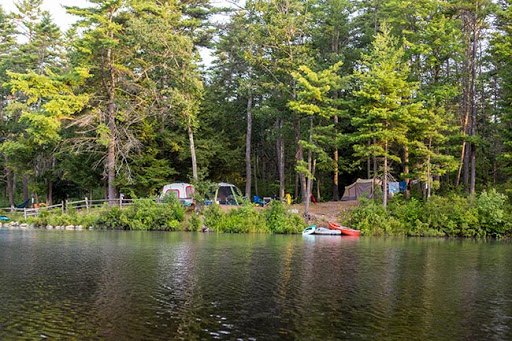
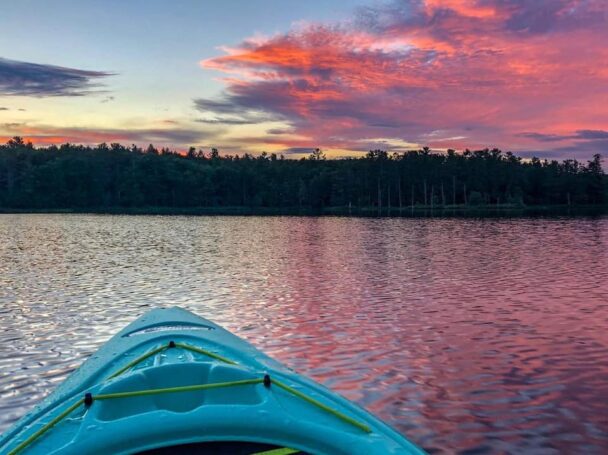
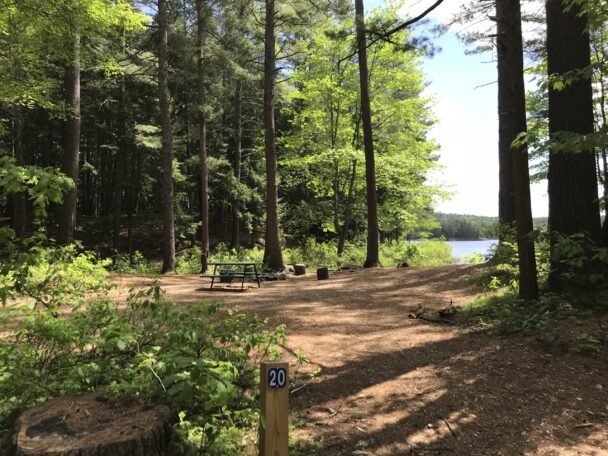
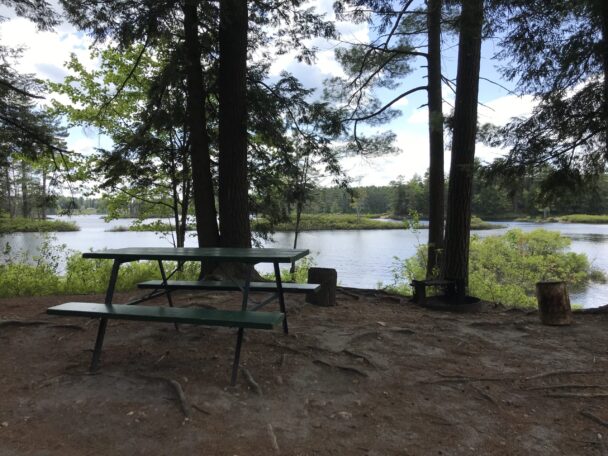
On the shores of a 200-acre lake, Tully Lake Campground offers a classic tent-only camping retreat with an array of modern conveniences and outdoor recreation in the shade of towering pines. Each campsite is unique, but all are well spaced and feature a picnic table and fire pit with grill. All campsites are ‘walk-in’- about 5-10 minute walk from the parking lot. No cars allowed at campsites.
Before arriving, you’ll reserve a campsite either inland or on the waterfront, each with its own picnic table and fire pit with grill. Along with a centrally located bathhouse with flush toilets and showers, firewood, fire starters, and ice are sold onsite. Don’t wait to reserve, this campground fills up quickly!
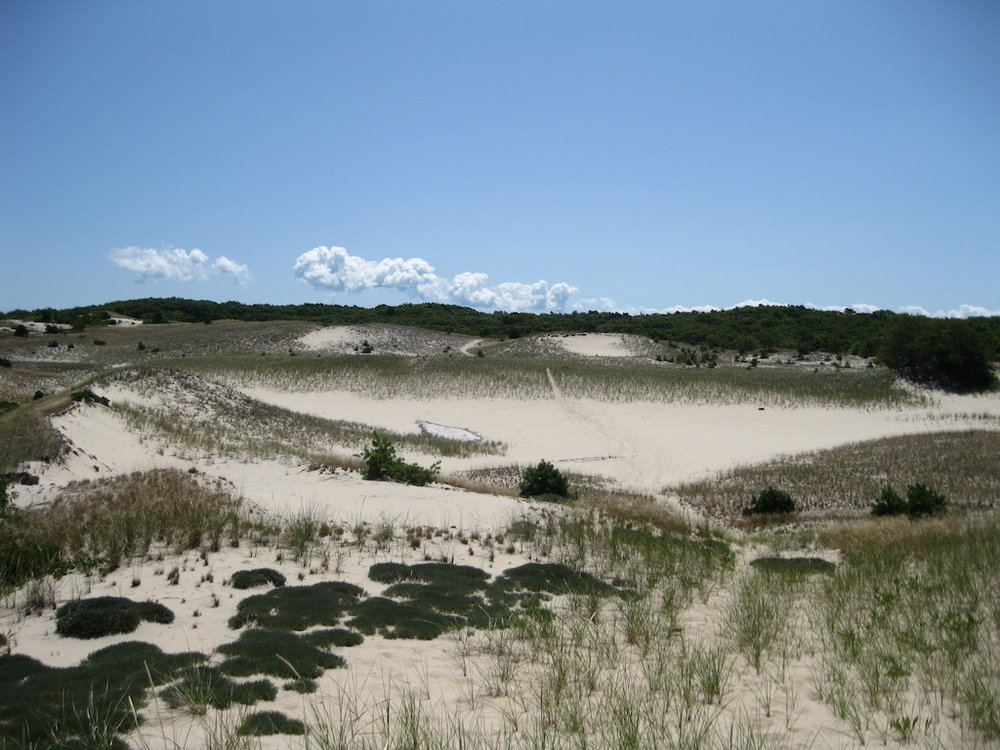
*HIGH DEMAND* If you have trouble finding a campsite at Tully Lake, please visit our sister campground in Provincetown, offering camping on the Cape: Dunes’ Edge Campground.
*The Tully Lake Campground is owned by the Army Corps of Engineers and managed by The Trustees.
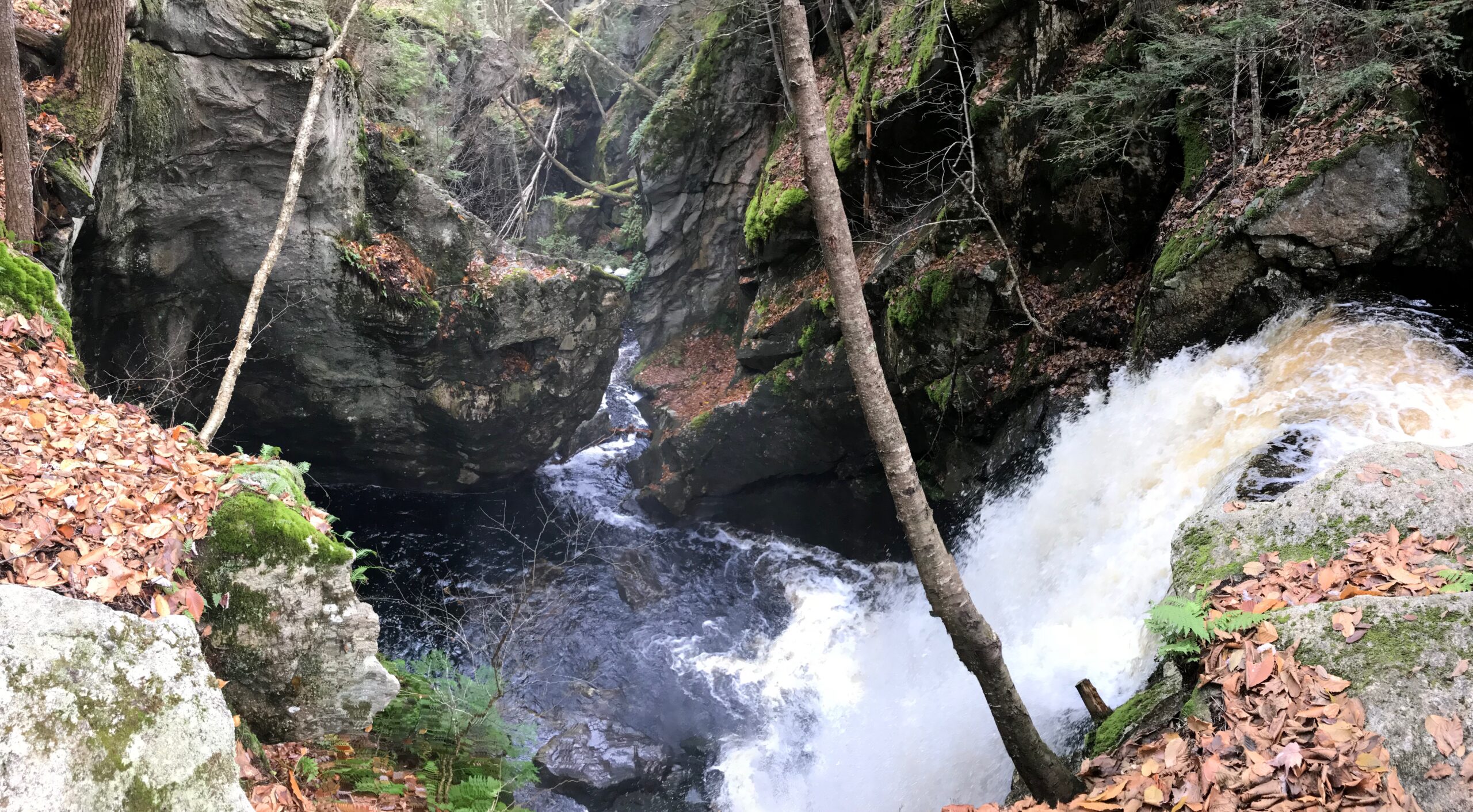
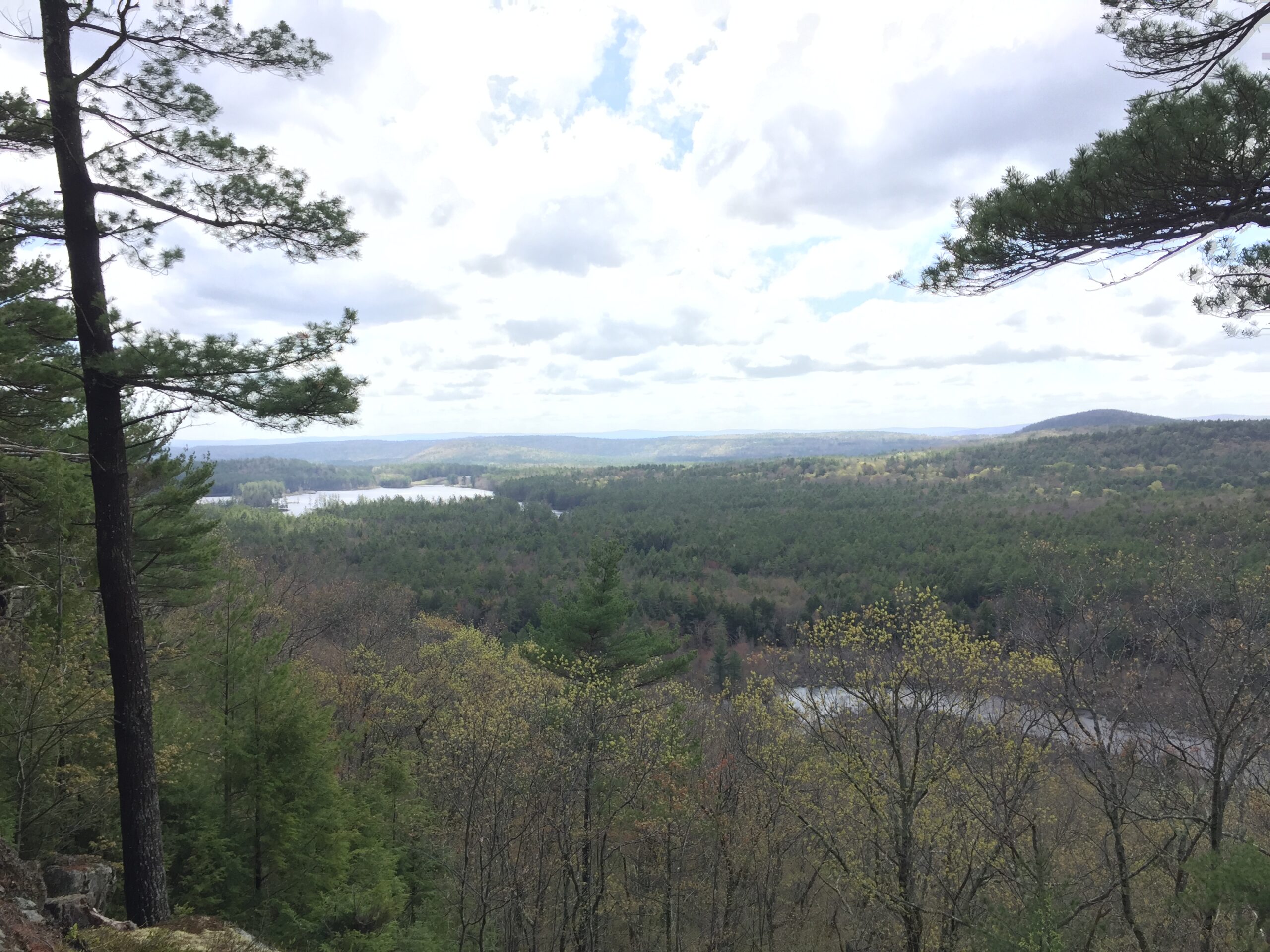
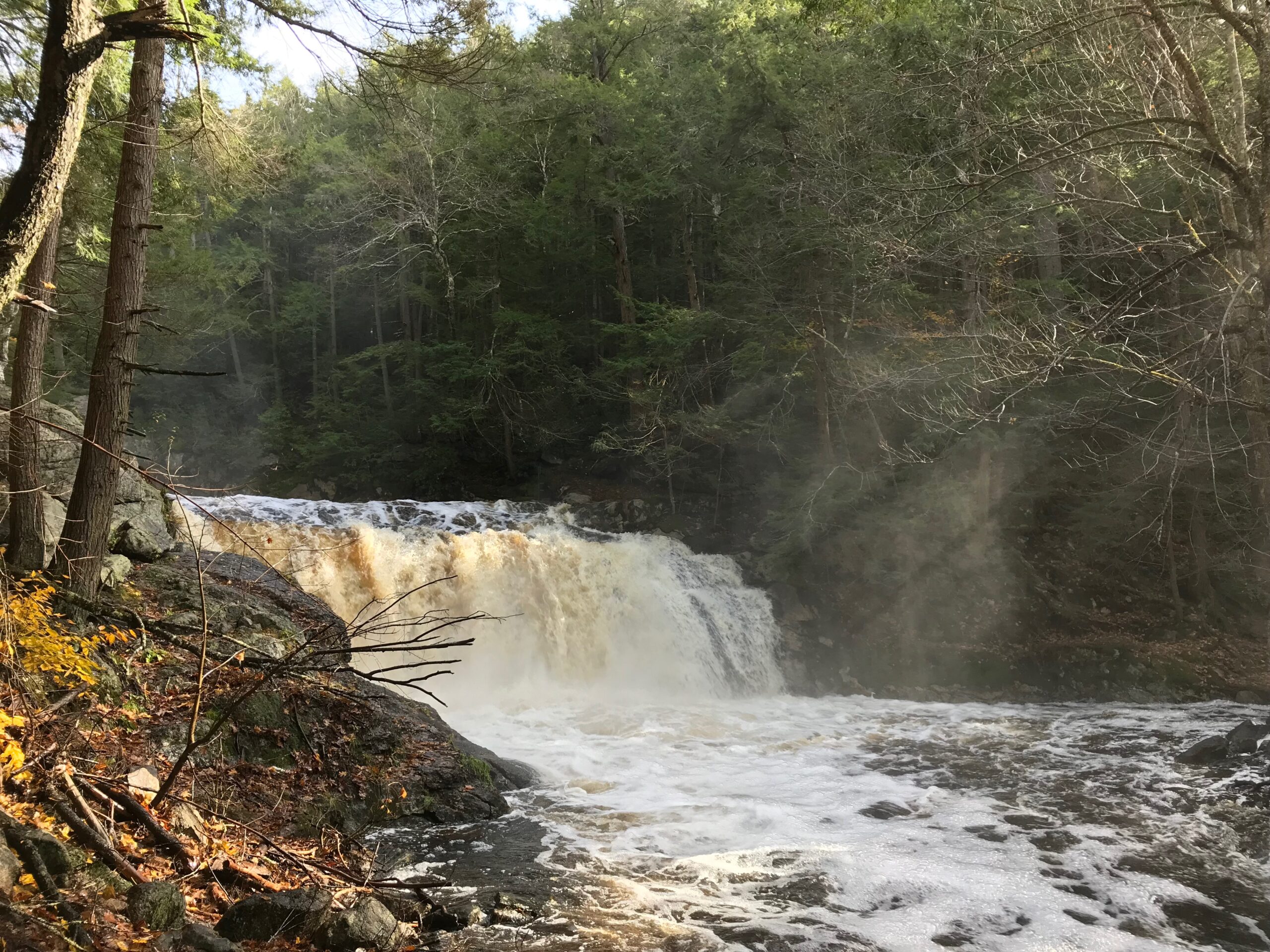
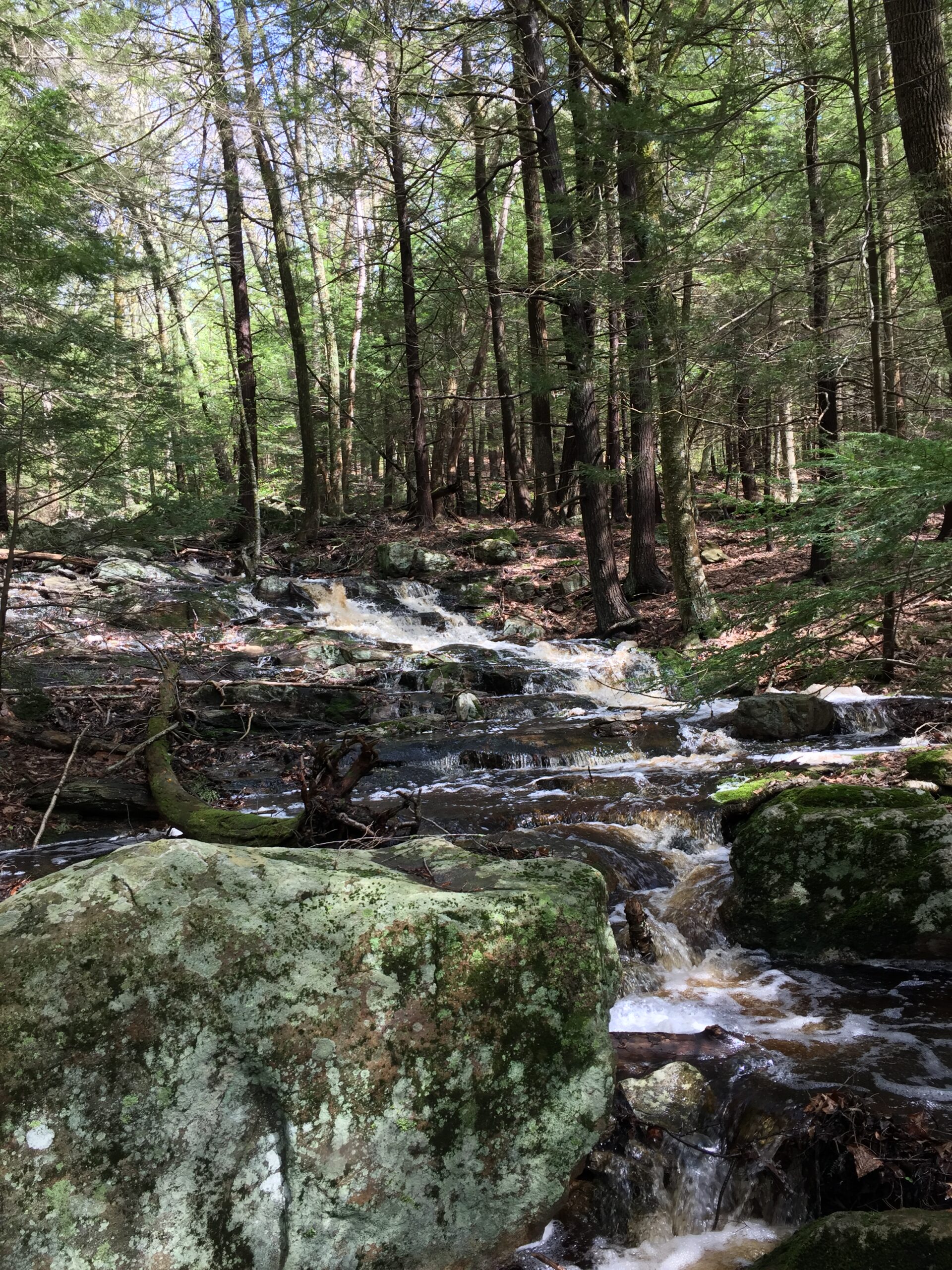
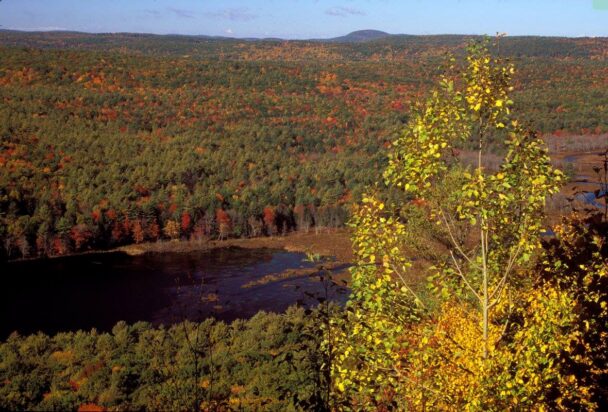
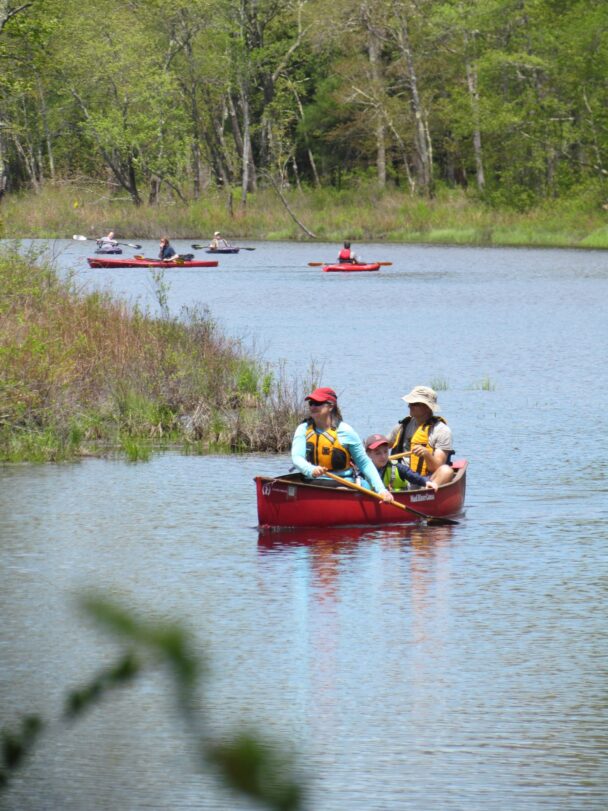
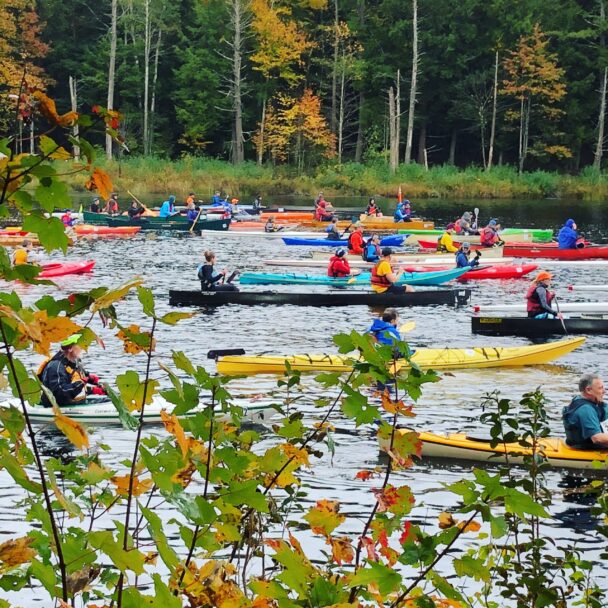
WHAT TO DO: After pitching your tent, it’s time to explore the wonders all around. Rent a canoe or kayak to paddle up the Tully River or cast a fishing line from the campground banks. Amble down sections of the 22-mile Tully Trail for glimpses of tranquil overlooks and roaring waterfalls or mountain bike the 7.5-mile loop around Long Pond. Head back and take a nap or gather the whole group for a game of disc golf, horseshoes, volleyball, or cornhole.
RENTALS AVAILABLE:
| Campsites | Rates |
| Inland | $47.00 |
| Waterfront | $53.00 |
Rentals are available:
| Canoe Rentals | Pricing | |
| 2 Hour | $35 | |
| 4 Hour | $50 | |
| Full Day | $80 | |
| Additional Days | $70 |
| Single Kayak/Paddle Board Rentals | Pricing | |
| 2 Hour | $25 | |
| 4 Hour | $35 | |
| Full Day | $55 | |
| Additional Days | $50 |
Tully Lake Campground
25 Doane Hill Road
Royalston, MA 01368
Tel: 978.249.4957 (March – October)
tullylakecampground@thetrustees.org
Get directions on Google Maps.
From Rt. 2, take Exit 77 and turn left onto Rt. 2A West toward Athol. From the intersection of Rts. 2A and 32 North in Athol, cross the Millers River Bridge and bear left following the signs on Rt. 32 North. Proceed about 4 mi., passing the Tully Dam, and take a right onto Doane Hill Rd. Proceed for 1 mi. Tully Lake Campground is on the right.
Mailing Address:
Tully Lake Campground
P.O. Box 100
Royalston, MA 01368
We appreciate your feedback. Please send us your comments and suggestions.
*The Tully Lake Campground is owned by the Army Corps of Engineers and managed by The Trustees.
Tully Lake Campground showcases the best of New England outdoor recreation. Paddle up the picturesque Tully River, or explore the islands and inlets on the lake. Hike to tranquil overlooks and roaring waterfalls, or mountain bike the 7.5-mile loop around Long Pond. Fish off the campground banks or lounge in the refreshing shade of towering pine trees.
Learn more about the Tully Trail .
*The Tully Lake Campground is owned by the Army Corps of Engineers and managed by The Trustees.
Centrally located bathhouse with flush toilets and showers available for guest use. Firewood, fire starters, and ice are sold onsite.
Accessibility features
PAVILLION RENTAL: The US Army Corp pavilion, which is not located at Tully Lake Campground, is now reservable through the recreation.gov website. See the link below. You can use the calendar feature online and select the appropriate date and check out using your credit card.
Navigating the Area:
Campground Map Trail Map*The Tully Lake Campground is owned by the Army Corps of Engineers and managed by The Trustees.
If you are going to arrive later than 8PM on the first night of your reservation, PLEASE call (978) 249-4957 or email the campground at tullylakecampground@thetrustees.org. Visitors that do not notify the campground of a late arrival may forfeit their entire reservation, and are not eligible for a refund.
Visitors that do not arrive or call 978.249.4957 by 8PM on the first day of their reservation are not eligible for a refund and are not guaranteed their site. Otherwise the reservation will be cancelled and subject to re-rental. While we hope you do not need to cancel, we have a high demand for our sites so we must enforce a strict cancellation/No show policy. We don’t charge extra for sunshine, and we can’t give refunds due to bad weather (like rain and storms) or climate related events (like fire bans due to drought or low lake levels). Check weather reports and cancel early if weather is an issue for you. No refunds for early departures.
*The Member price is the 90% deposit. For non-Trustees Members, you will be charged the remainder of your deposit the 1st day of your reservation (regardless if you show up). If you are a Trustees Member, please bring your membership card with you and we will not charge the additional 10%.*
In rare circumstances, we may need to close the campground due to safety concerns, typically from heavy storm damage or flooding events. If we need to close the campground, you will be refunded at a rate of 50% for the days that the campground is closed. If you still have days remaining on your reservation, we will be in communication when we are able to safely reopen the campground. Should you elect to not return for the remainder of your reservation, those nights will not be refunded.
PHOTOGRAPHY: We ask that photographers or their clients become Supporting Members before conducting portrait sessions at this property. Click here for more information, and to request permission for any portrait sessions. The Trustees of Reservations reserves the right, and may give permission to its designated photographers and videographers, or to outside media, to photograph or video visitors and program participants at all its facilities and properties.
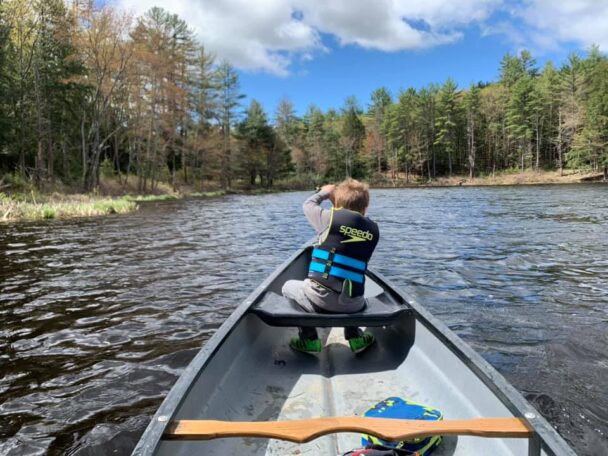
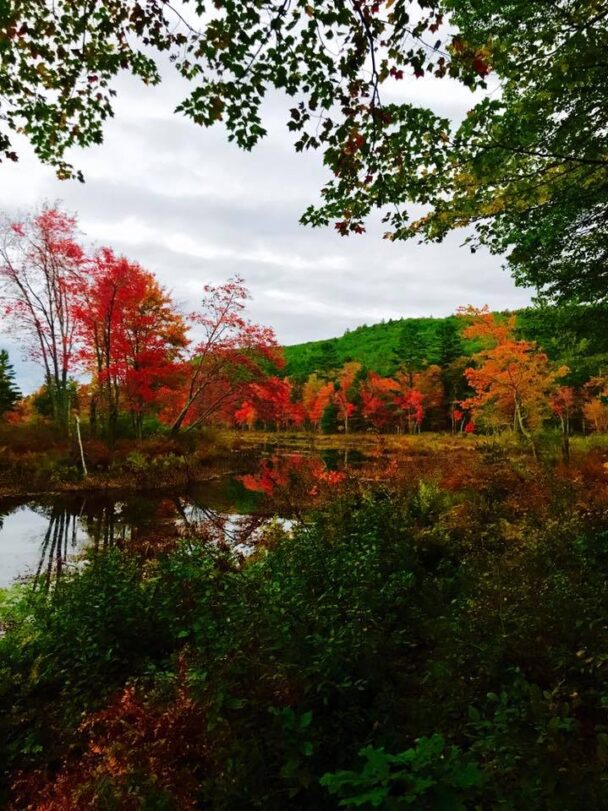
Love, love, love this place. Tent only campground. Perfect little gem of a campground. Staff is great! Lots to do, tons of hiking trails, kayaking/canoeing, corn hole, volleyball nets, horseshoes, swimming, fishing or just relax and enjoy.
– Shannon O, TripAdvisor