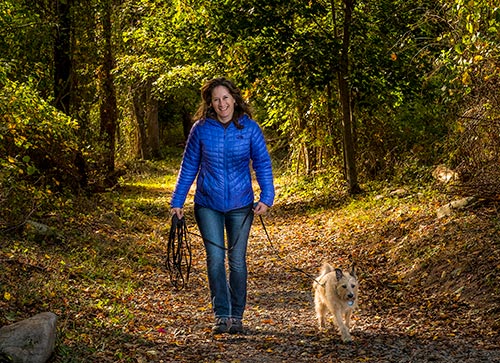
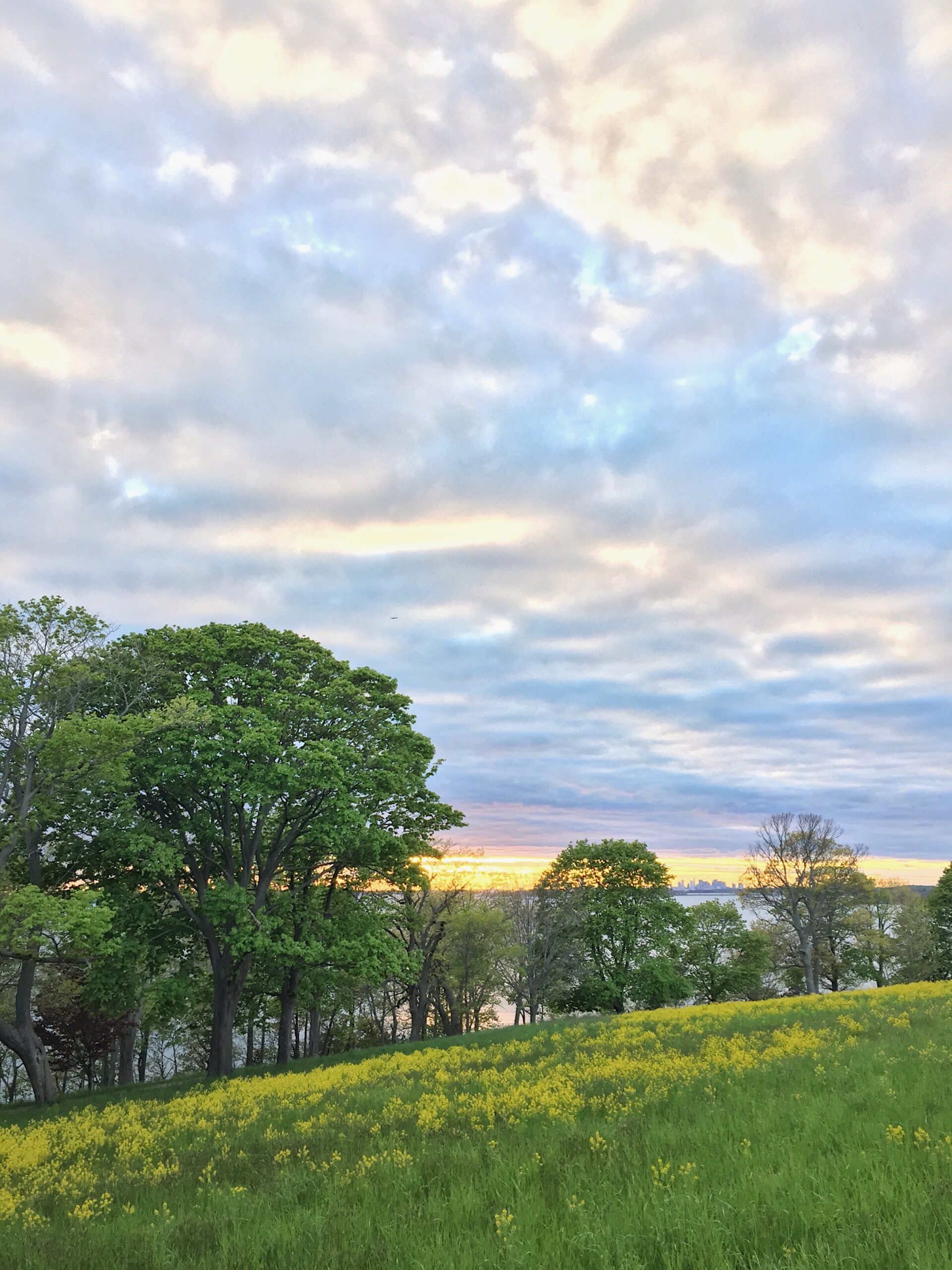
Ten miles of crushed-stone carriage paths and trails meander through the park.
Ravenswood Park offers 600 acres for solitude and quiet contemplation, a testament to its founder’s conservationist philosophy. 19th-century businessman and philanthropist Samuel Sawyer purchased woodlots, old pastures, and swamp near his home on Freshwater Cove, and upon his death left the more than 26 parcels to be turned into a park named Ravenswood, after the castle in Sir Walter Scott’s The Bride of Lammermoor.
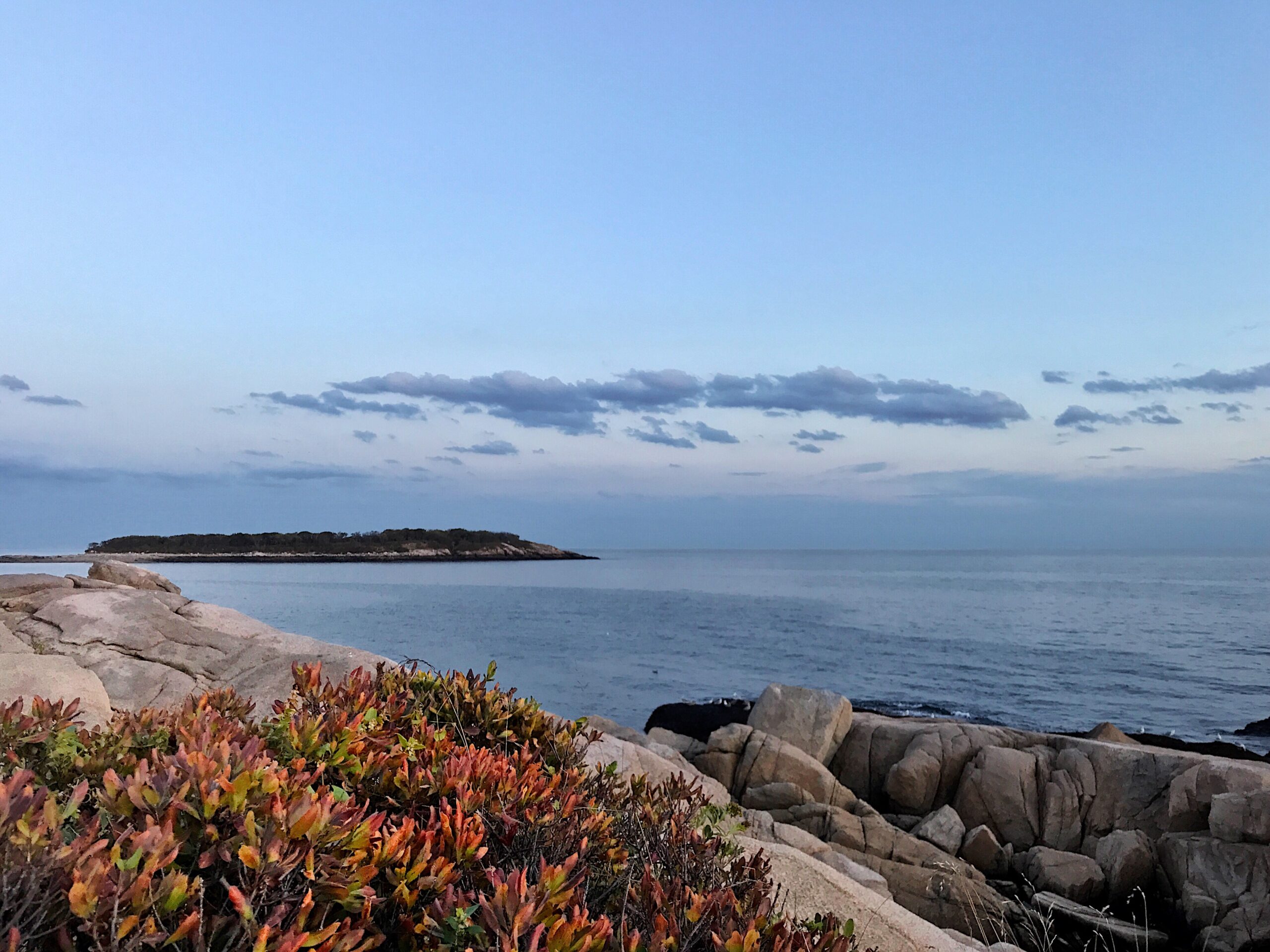
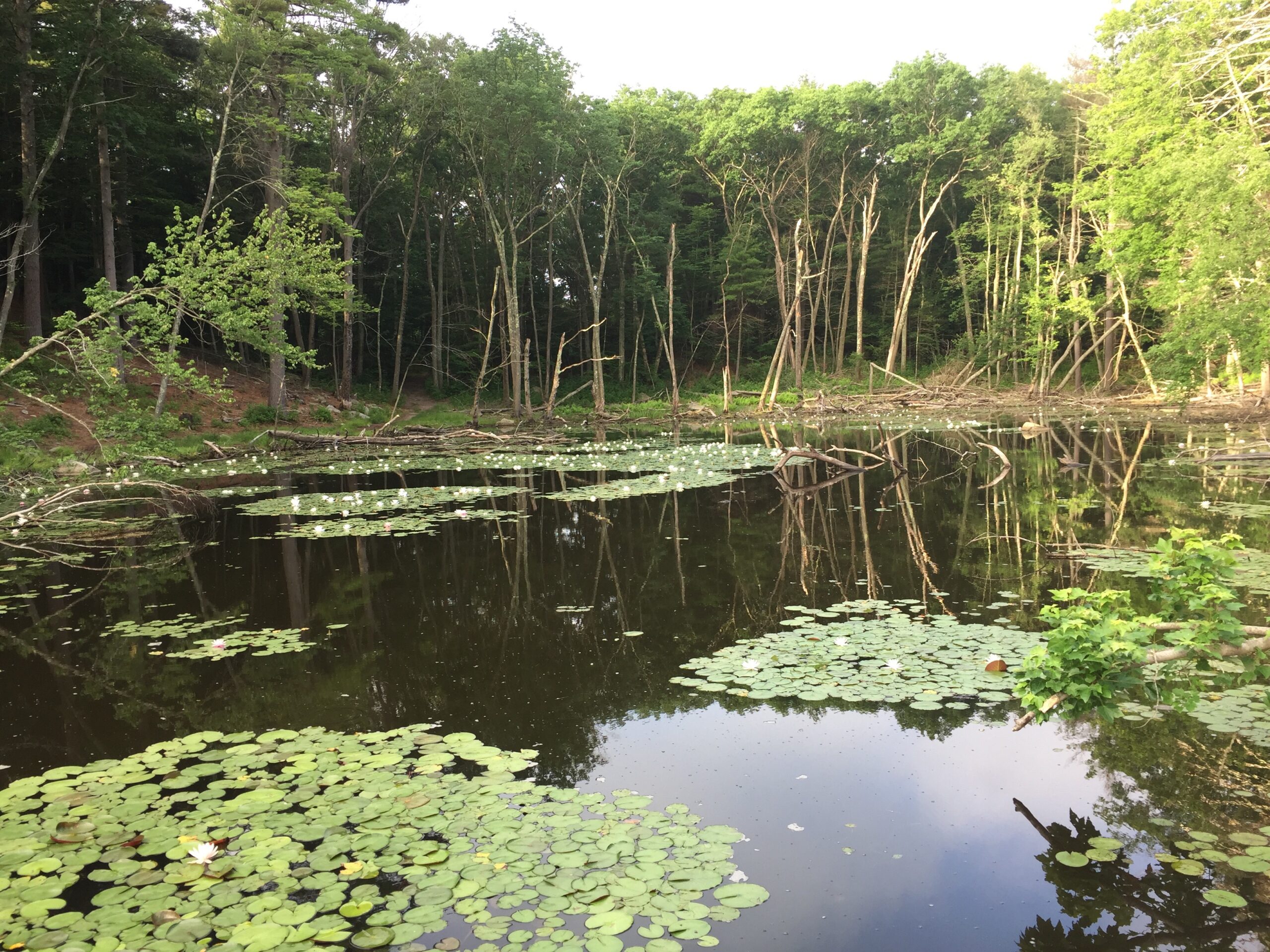
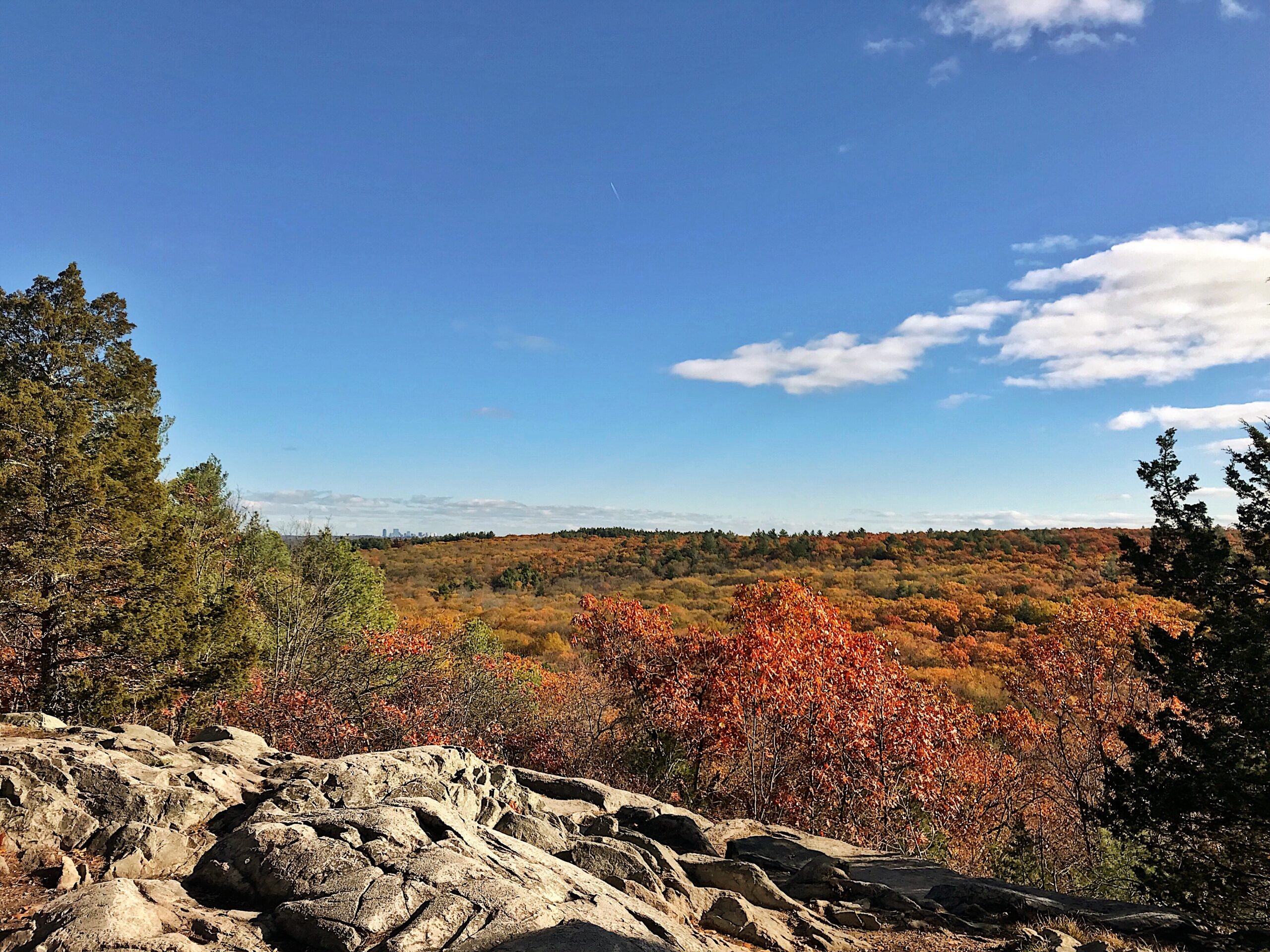
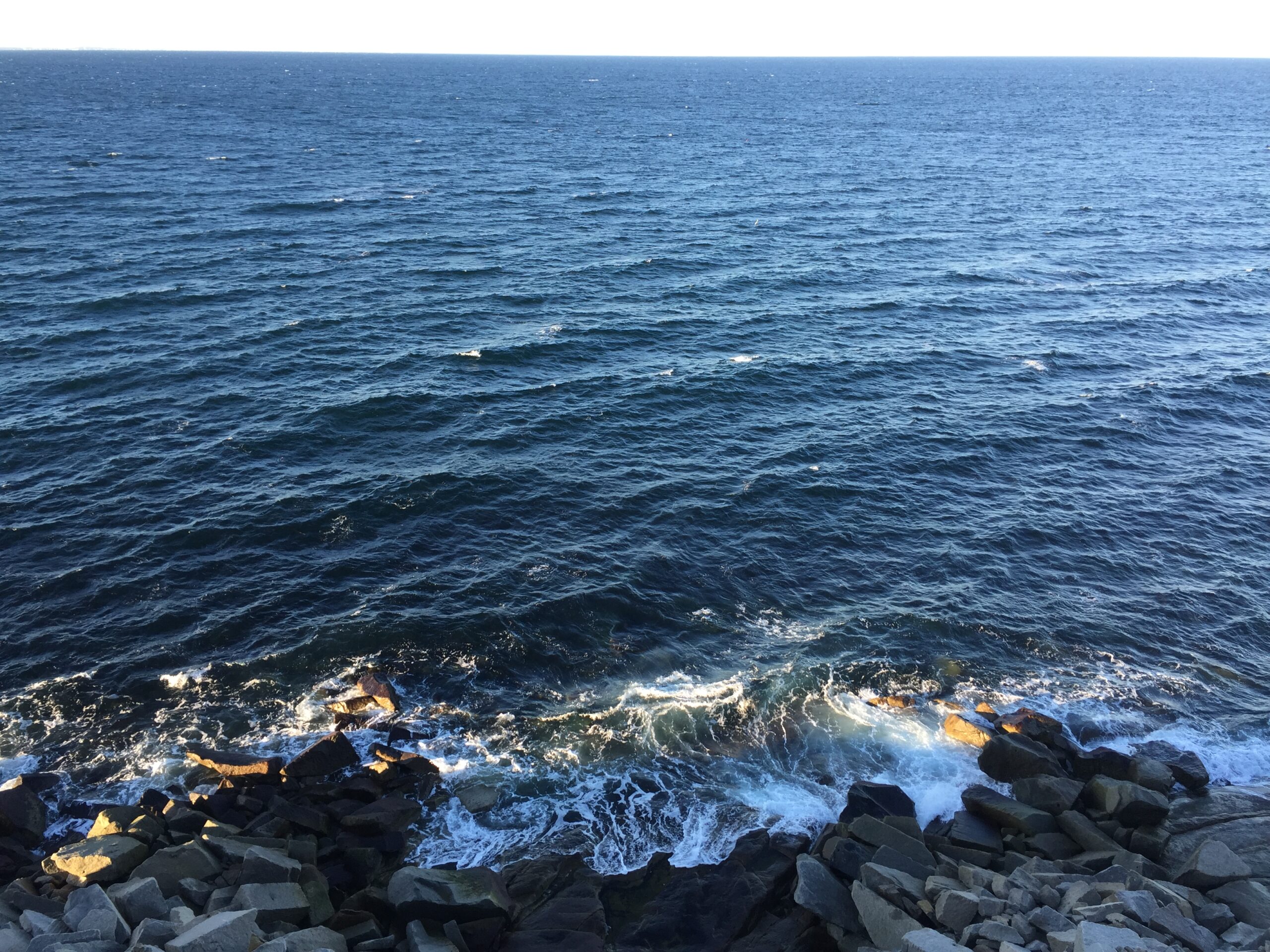
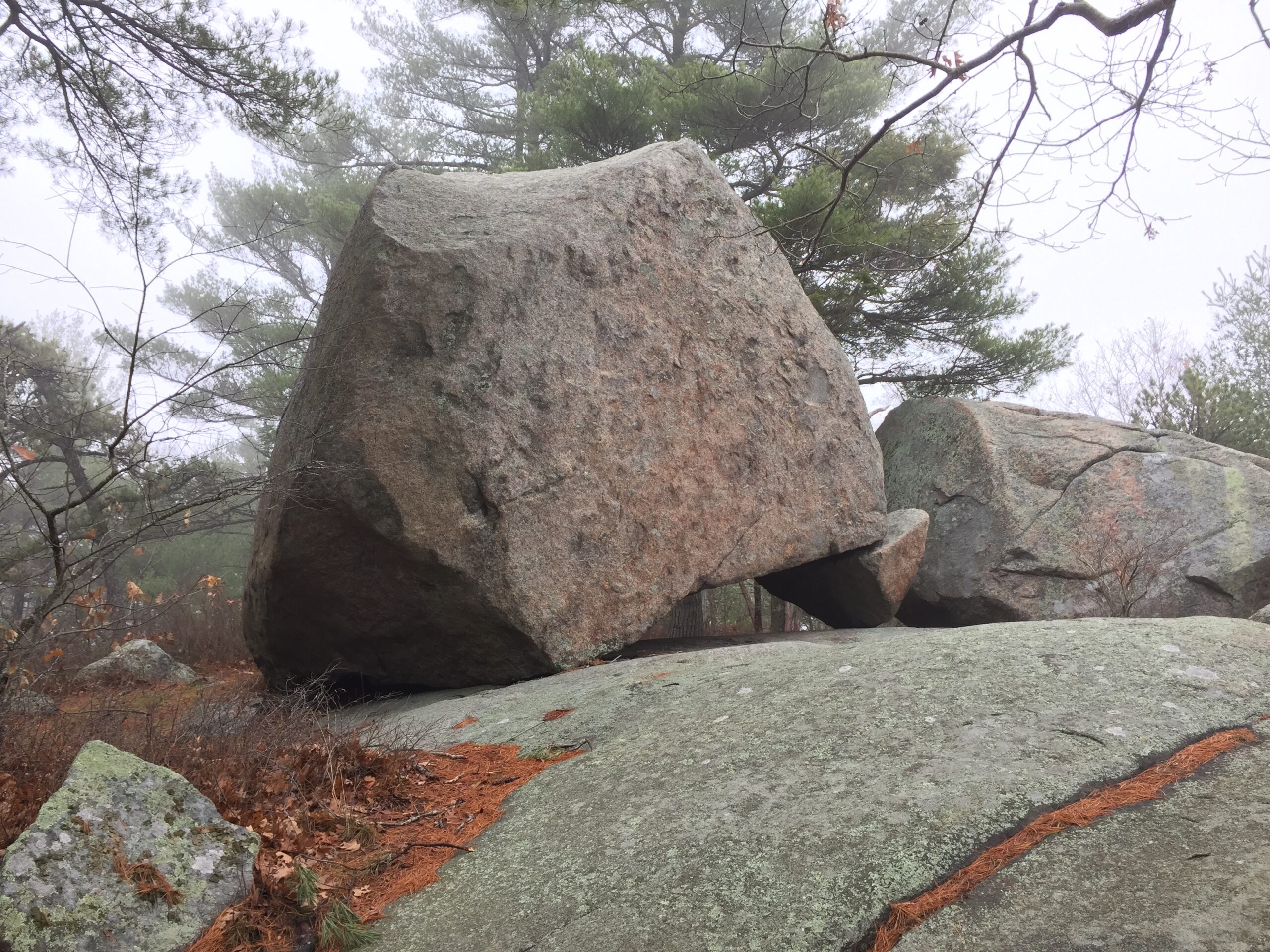
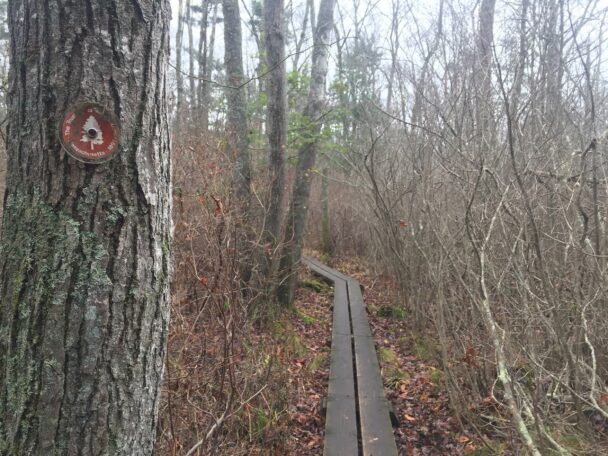
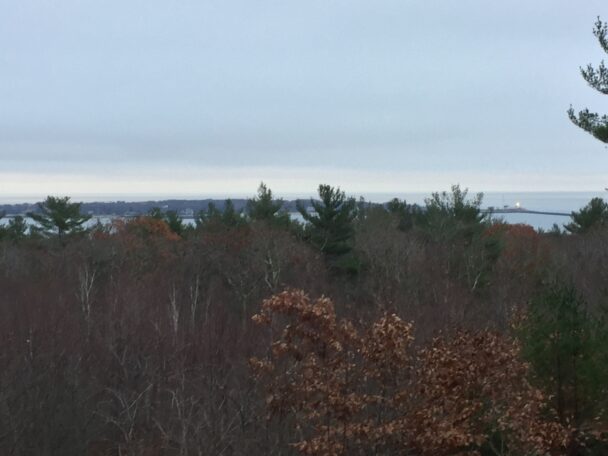
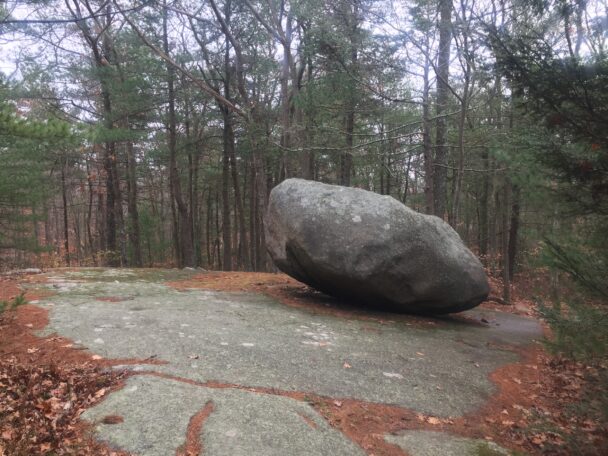
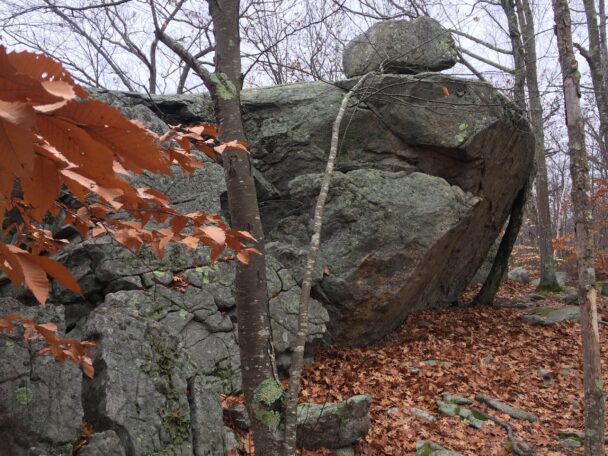
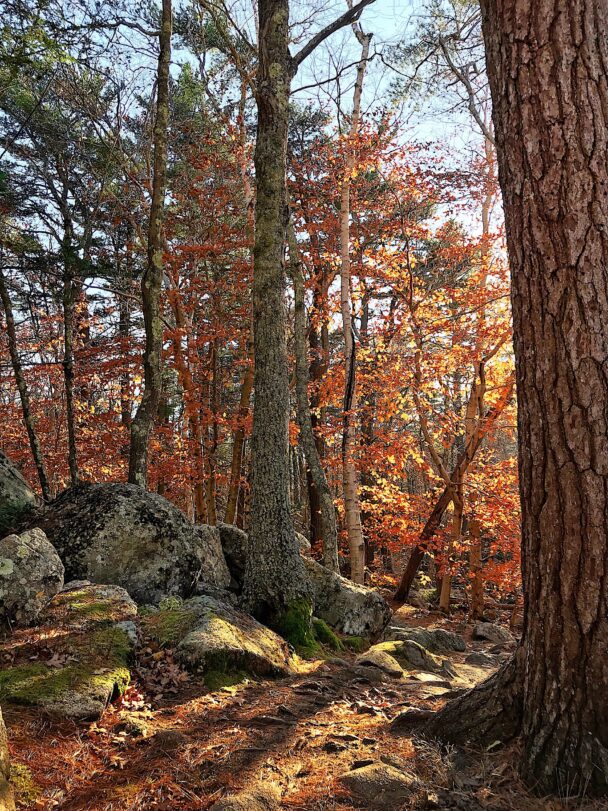
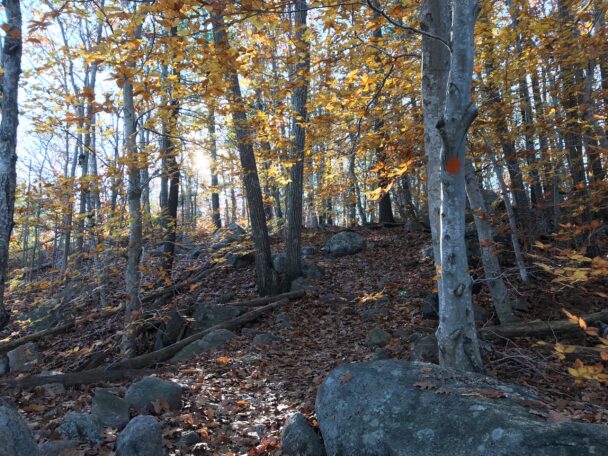
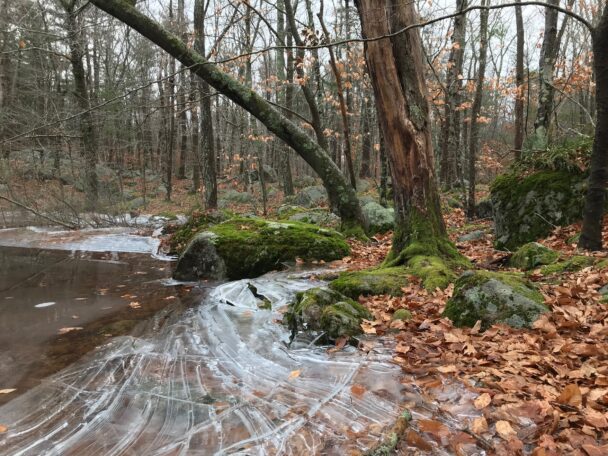
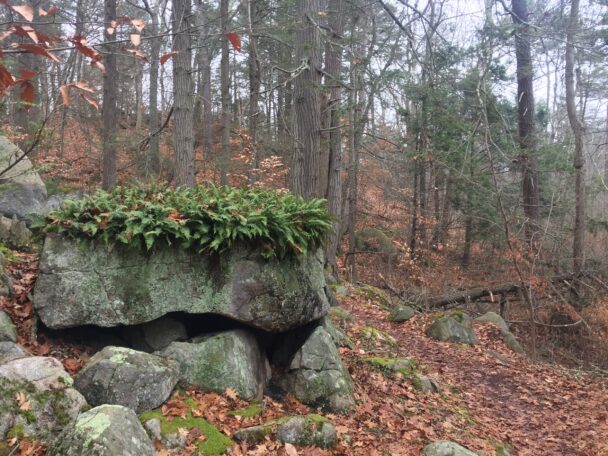
With 10 miles of carriage paths and trails that meander through the park, there’s plenty of room to picnic, bird watch, walk, cross-country ski, and simply appreciate the outdoors. Wander the child-friendly, two-mile Ledge Hill Trail among magical-looking, fern-covered boulders, trek to the overlook to Gloucester Harbor, or traverse the boardwalk through the Great Magnolia Swamp, home to native Sweetbay Magnolias.
Ten miles of woodland paths and trails meander through the park, providing plenty of room to picnic, bird watch, walk, cross-country ski, and simply appreciate the outdoors. Wander the child-friendly, two-mile Ledge Hill Trail among the magical-looking, fern-covered boulders, or trek to the overlook to Gloucester Harbor.
WHEN TO VISIT
Daily, sunrise to sunset. Allow a minimum of 2 hours.
ADMISSION
FREE to all.
481 Western Avenue (Route 127)
Gloucester, MA 01930
Get directions on Google Maps.
Directions
From Rt. 128 Exit 14, take Rt. 133 East toward Gloucester for 3 mi. until it ends at Rt. 127. Turn right and follow for 2 mi. to entrance.
Public Transportation
Printed trail maps are distributed free from bulletin boards in parking areas. Please understand that supplies periodically run out. We recommend that you download a trail map before you visit.
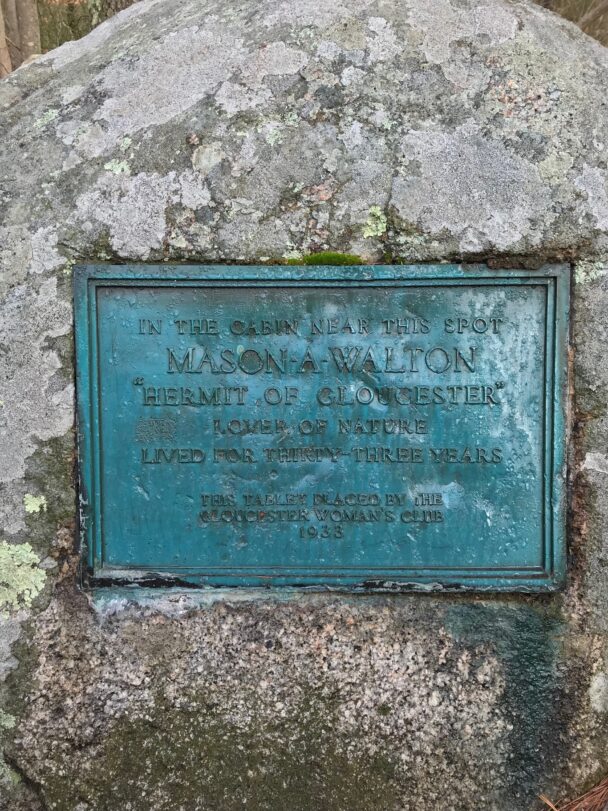
Ravenswood contains many relics of Cape Ann history, from Native American hunting mounds and artifacts, to rock walls and cellar holes built by early settlers, to the part Old Salem Road that is now a park trail. Samuel E. Sawyer, a wealthy merchant who summered here, preserved this land. In 1889, Sawyer’s will created Ravenswood Park as a property “laid out handsomely with drive-ways and pleasant rural walks.” After 104 years of dedicated management, they transferred the property to The Trustees of Reservations in 1993.
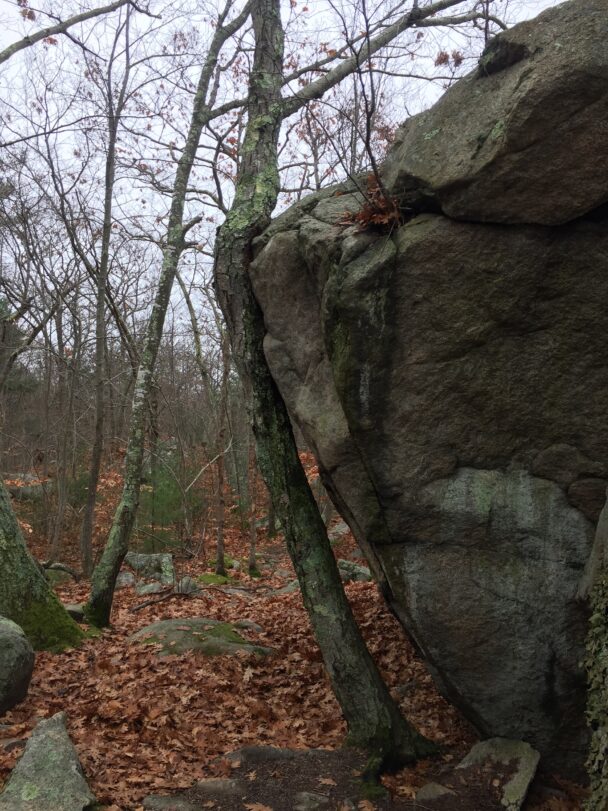
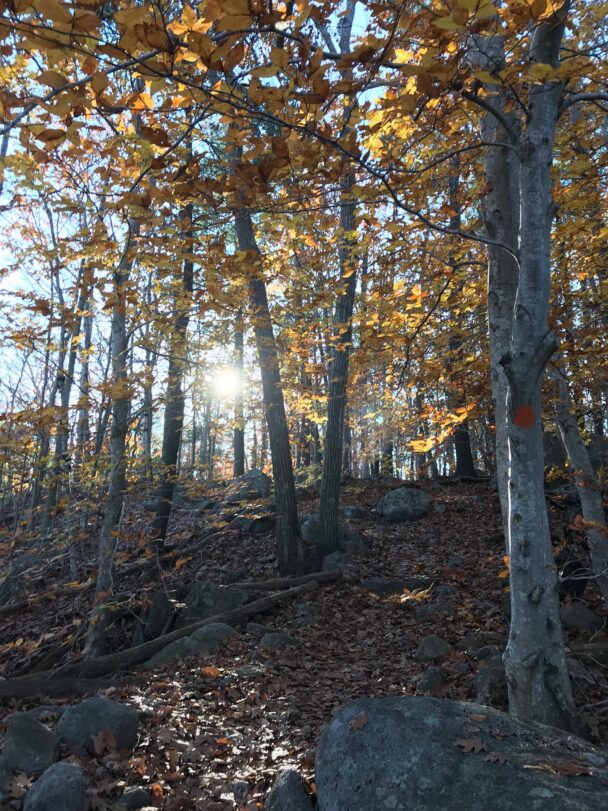
This place will always be in my heart. A place I love to go sit in silence and listen to nature. Great for hiking or biking, or just enjoying the stillness of this beautiful location.
– bcdevils, Trip Advisor