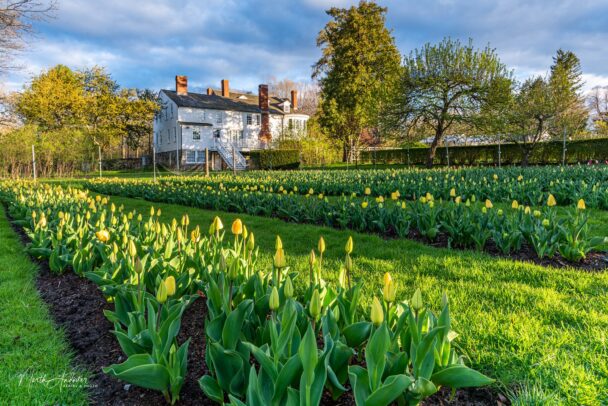
Tulips coming into bloom
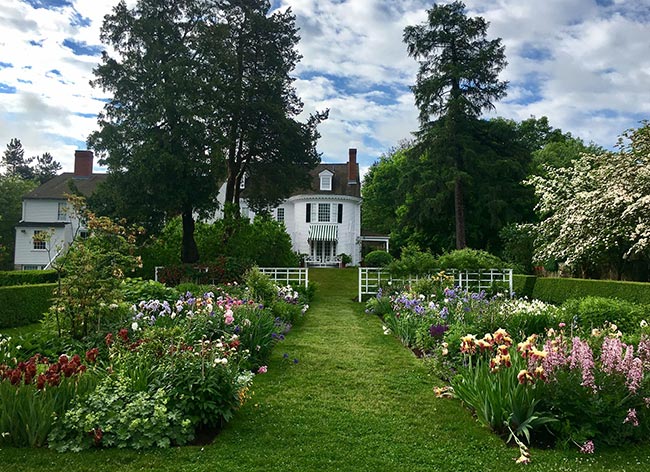
Enter a world of a former farm that became an early-20th-century estate, where a newly expanded array of bountiful gardens and plantings complements a gracious and refined home.
Enter a world of a former farm that became an early-20th-century estate, where a newly expanded array of bountiful gardens and plantings complements a gracious and refined home.
Stevens-Coolidge House & Gardens was the summer home of Helen Stevens Coolidge and her husband, John Gardner Coolidge—a diplomat descended from Thomas Jefferson and a nephew to Isabella Stewart Gardner—from 1914 to 1962.
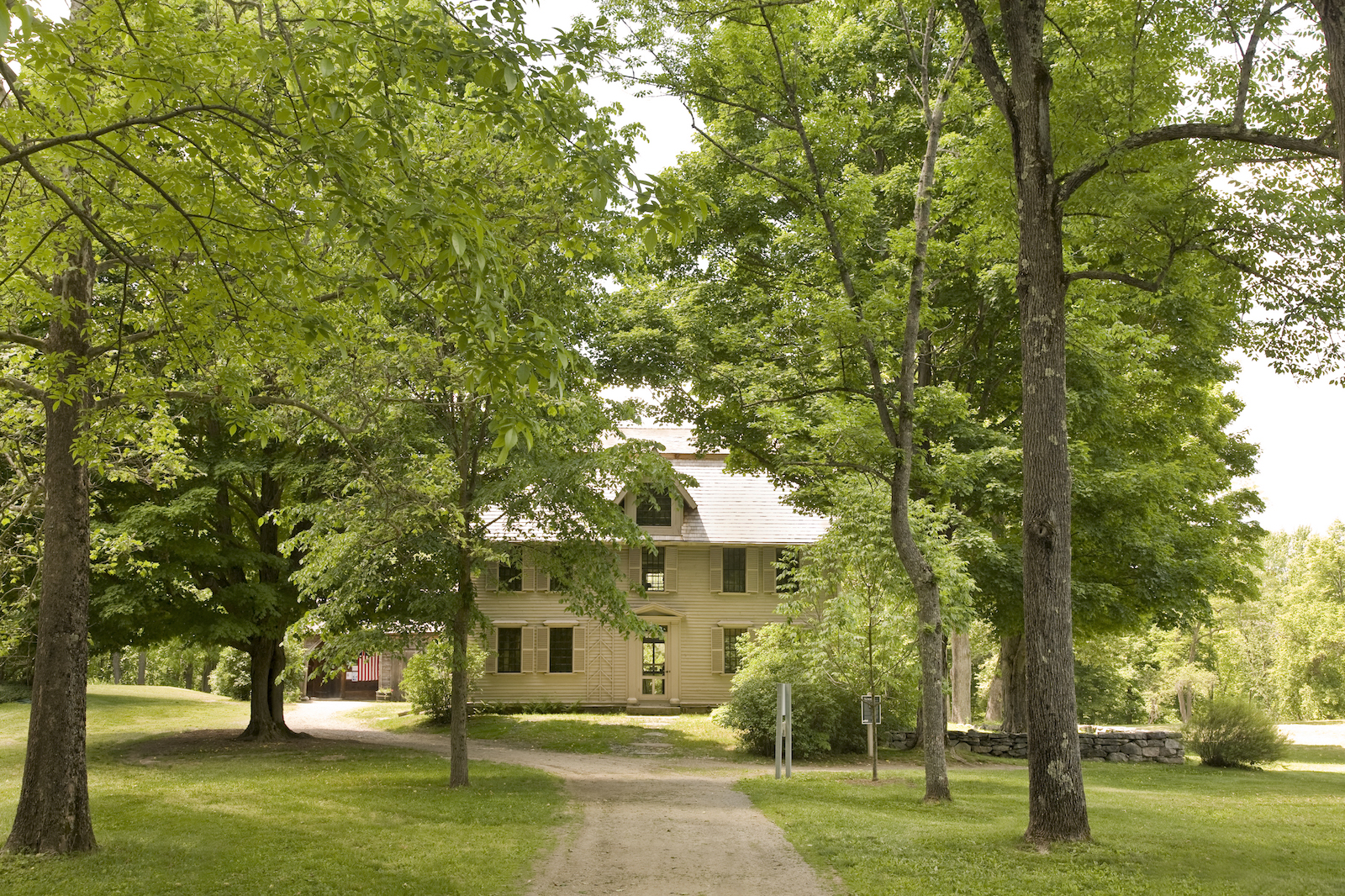
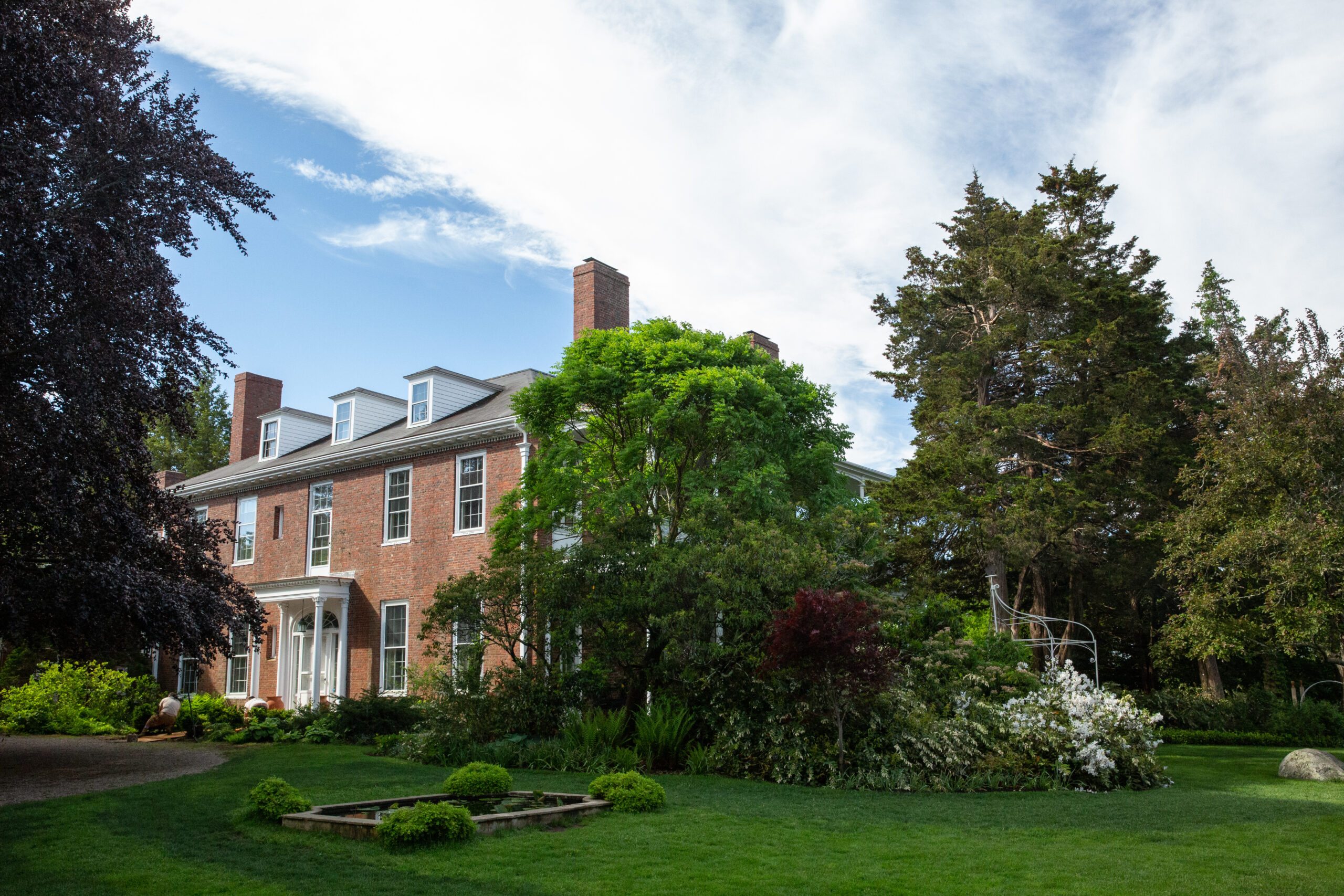
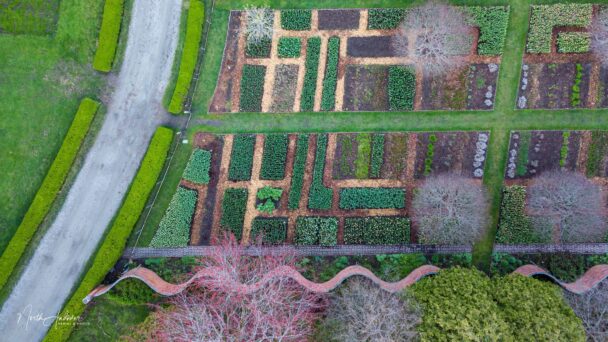
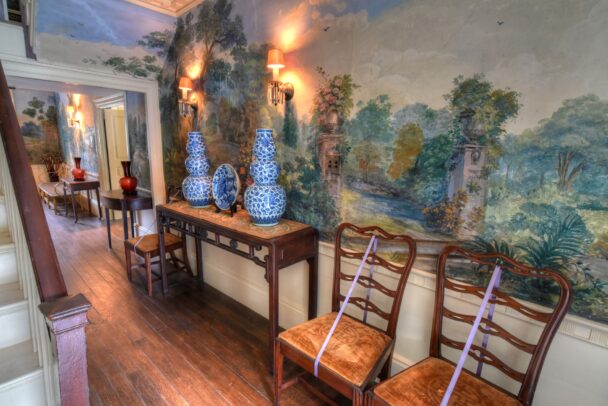
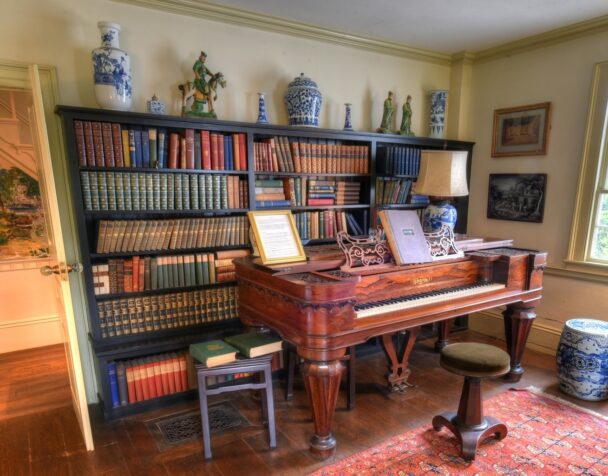
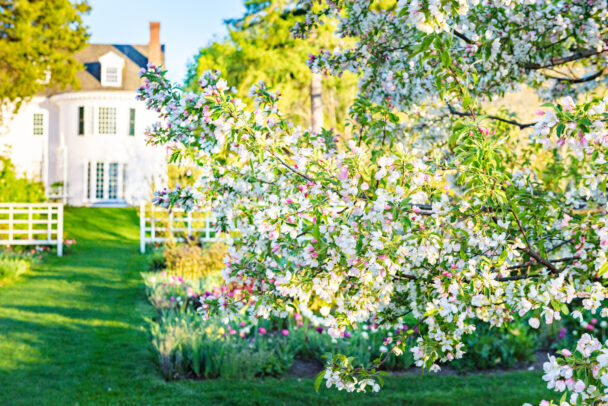
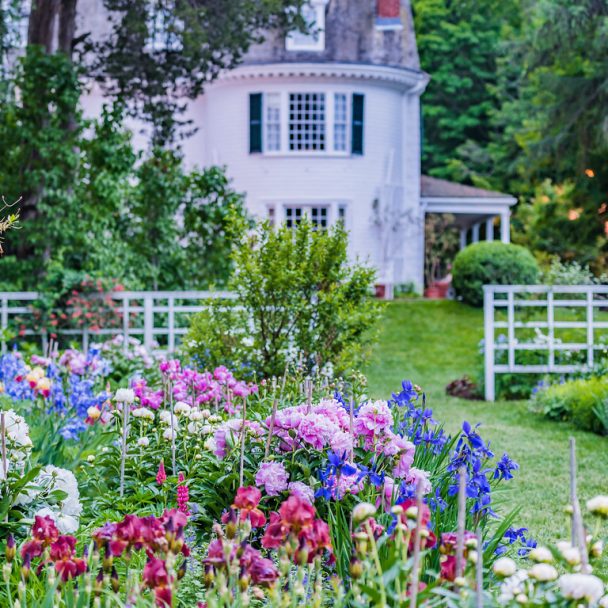
Stevens-Coolidge House & Gardens was the summer home of Helen Stevens Coolidge and her husband, John Gardner Coolidge. They hired preservation architect Joseph Everett Chandler to remodel the property’s two connected, Federal-period farmhouses, creating a gracious Colonial Revival estate surrounded by perennial gardens, a rose garden and greenhouse complex, and French vegetable garden with a brick serpentine wall. The home’s eclectic interior features Chinese porcelain and other Asian artifacts mingling with American furniture and American and European decorative arts, an entry hall mural painted by Spanish artist Joseph Remidas, a split staircase, delft-tiled dining-room fireplace, and tavern ballroom.
Build extra time into your visit and explore the Stevens to Stevens Trail, connecting Stevens-Coolidge House & Gardens to Weir Hill, and intersecting other conservation land and Stevens family land.
WHEN TO VISIT
Mid-May-September, 10AM-6PM.
ADMISSION
Gardens: FREE to all, except during special events.
Gardens and Grounds
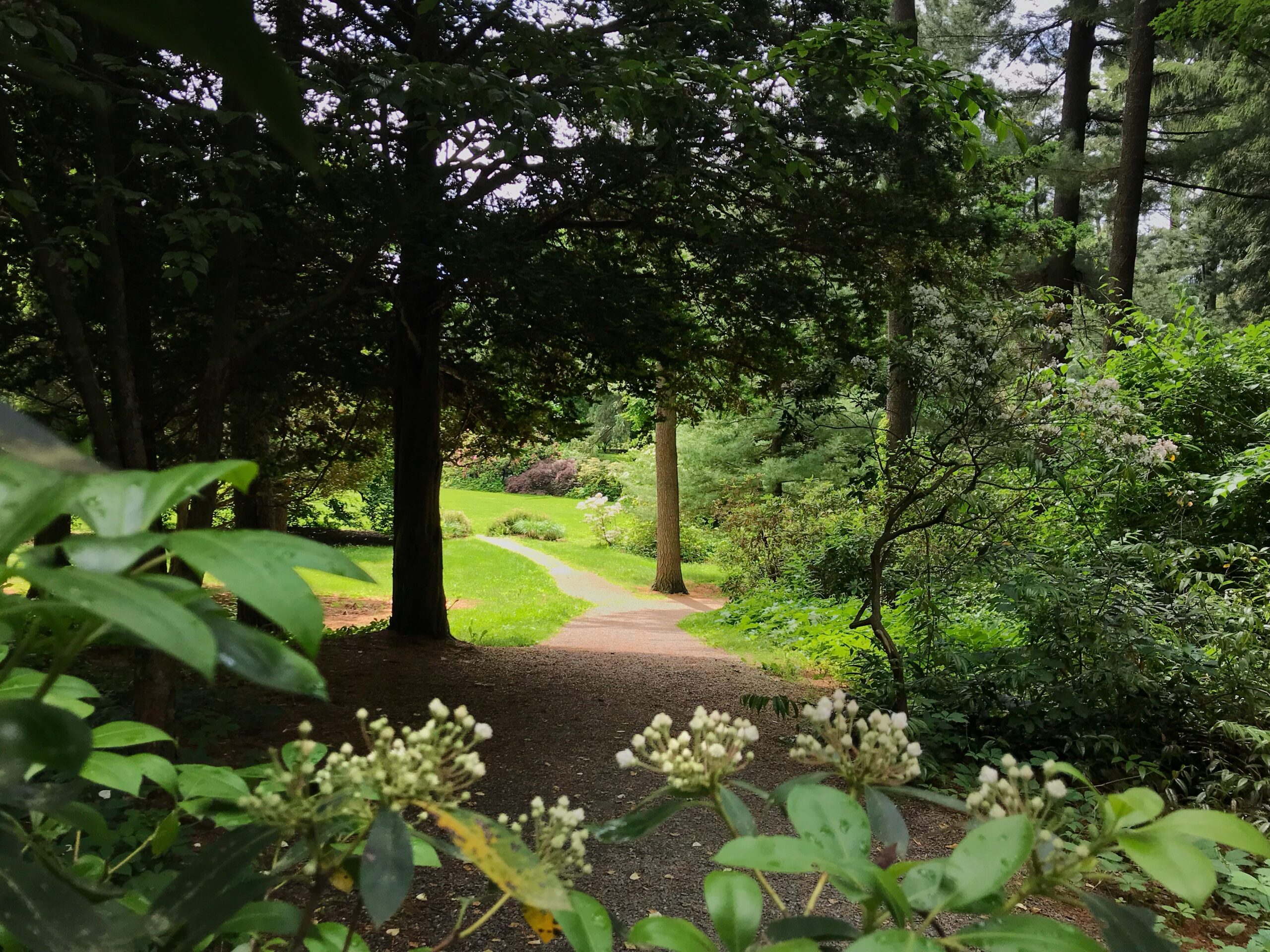
Enjoy our network of trails and explore our beautiful gardens. Gift shop and restrooms open Thursday–Sunday.
Gift Shop
Refreshments, gardening supplies, locally made artisanal products, toys, and more!
Self-Guided House Tours
Admission: FREE for Trustees Members and North Andover residents with ID; $5 for Nonmembers.
Admission can be purchased in the giftshop and at the house. Visitors are welcome to explore the first floor of the Stevens-Coolidge house at their own pace.
Guided House and Garden Tours
Admission: $12 (Members); $20 (nonmembers); $10 (Children 12 and Under)
Enjoy an in-depth look at the history of the Stevens-Coolidge house with a tour led by a trained staff member.
Private Group Tours
Private tours can be arranged for group visits. Click the button below to book a group tour.
Please contact the manager of visitor services at rullrich@thetrustees.org for more information.
153 Chickering Road
North Andover, MA 01845
Telephone: 978.689.9105
Get directions on Google Maps.
Our entrance is at 153 Chickering Road, North Andover.
From I-93 Exit 35, take Route 125 N 7.3 miles, merge left onto Route 114 W, and then take right to continue onto Route 125 N (Chickering Road). Entrance on right; look for the purple sign.
From I-495 Exit 101, take Massachusetts Avenue east towards North Andover. Take right onto Route 125 S (Chickering Road). Entrance on left, look for the purple sign.
Accessible by Merrimack Valley Transit, Bus Route 3, please use Village Green Drive or Farrwood Avenue stops, and access entrance at 153 Chickering Road.
Build extra time into your visit and explore the Stevens to Stevens Trail, connecting Stevens-Coolidge House & Gardens to Weir Hill, and intersecting other conservation land and Stevens family land.
Accessible restrooms (seasonally May–September) available at Gateway and rear of Main House.
Retail shop (including grab & go concessions) and program space located at Gateway adjacent to parking lot.
Aggregate parking and pathways allow visitors access to the historic grounds and gardens. Railings and ramps allow entry to the brick terrace and first floor of Main House.
Benches and picnic tables located throughout the property with two accessible tables near the historic gardens. Bistro tables located at terrace at Gateway.
Two wheelchairs are available for use while on the property.
Concession stand open during select events.
Meadow trails, lawns, and improved pathways are subject to short-term flooding seasonally and following storms.
Permits are required for portrait photography sessions at Stevens-Coolidge. Photographers or their clients must be full Trustees Members to purchase portrait session permits at this property. Learn more about purchasing a portrait session permit.
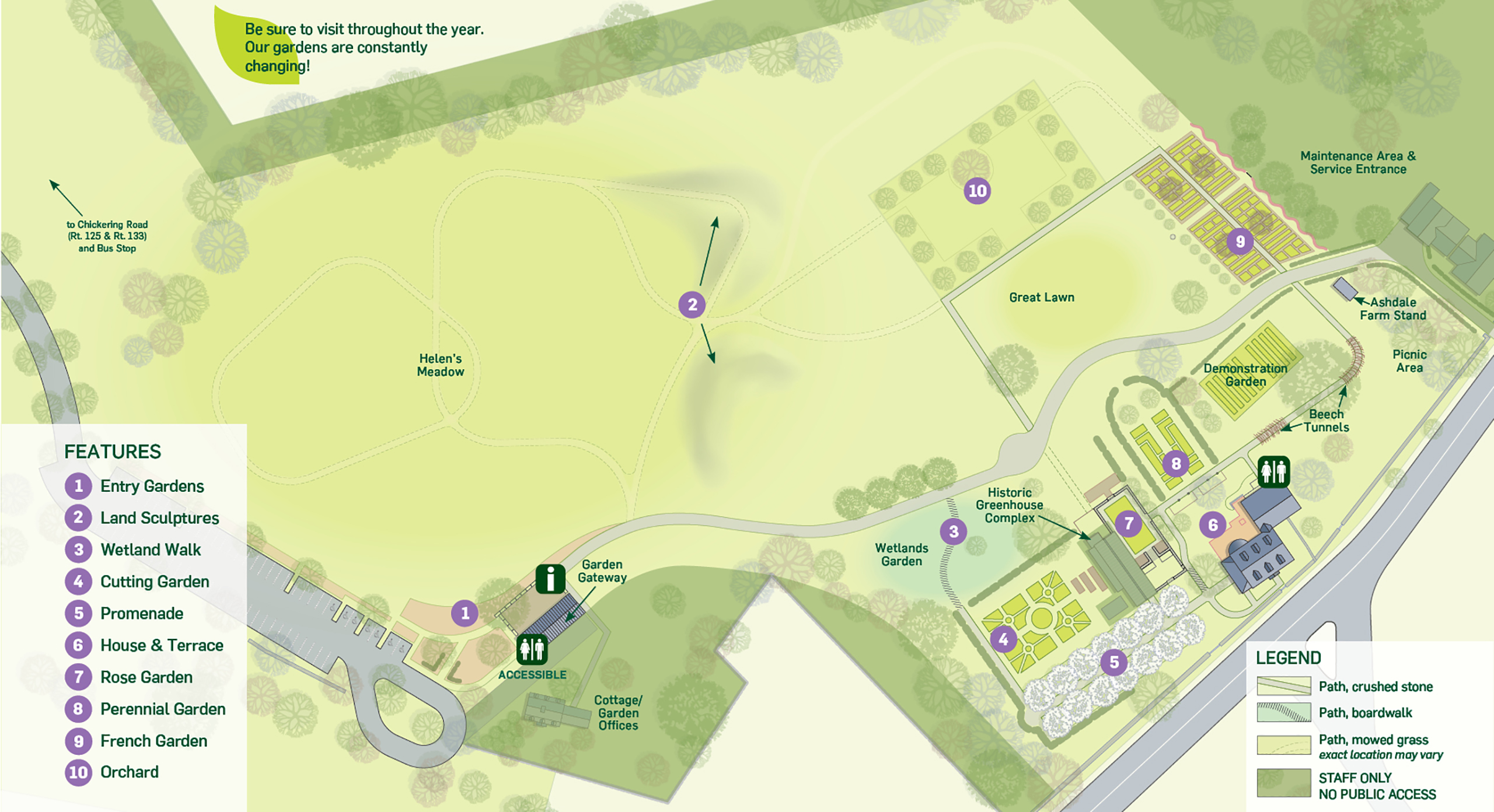
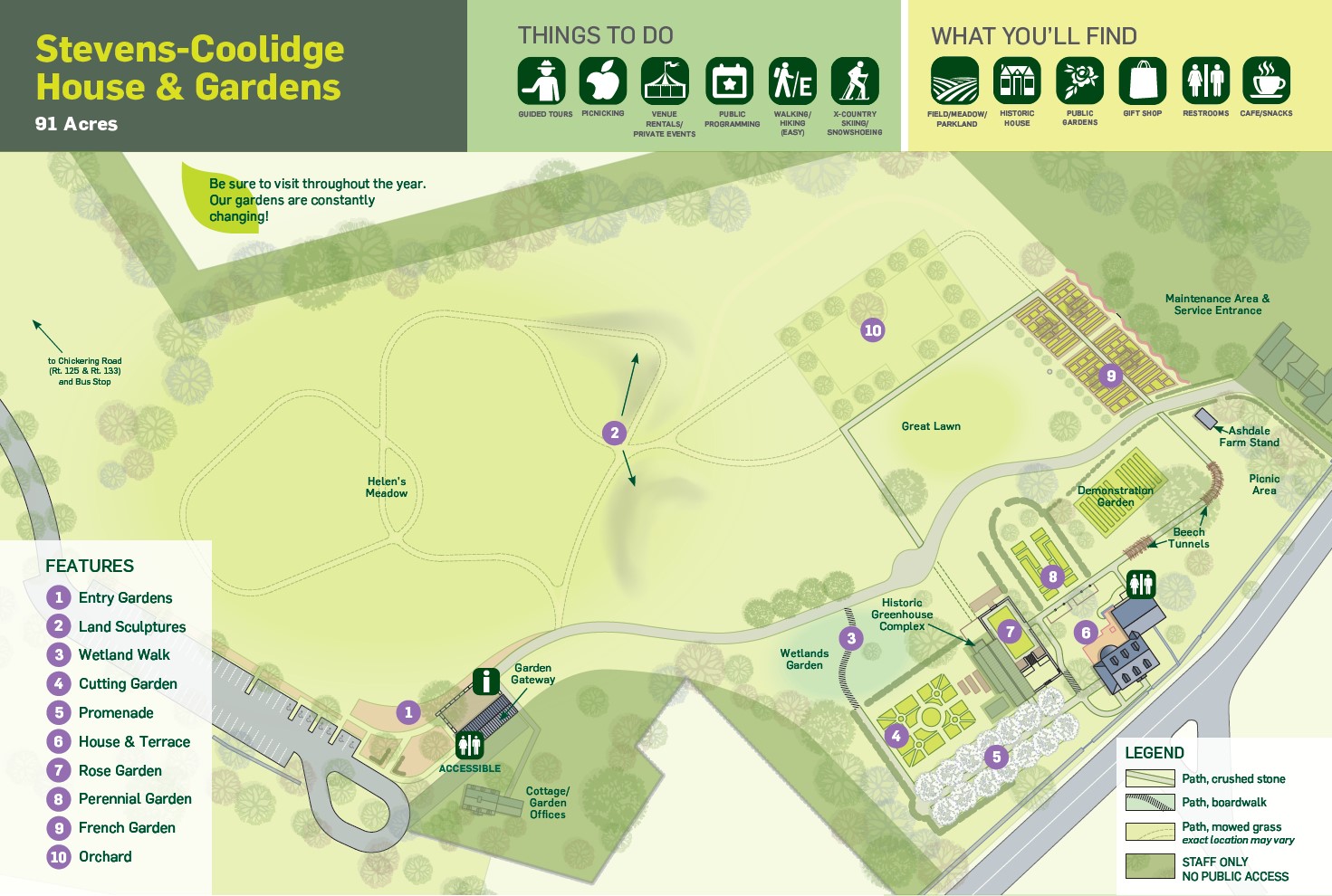
The entry kiosk at Gateway includes a map of the property. We recommend that you take a photo of the map on your phone so you can refer to it during your visit.
Use this link to download a property map before you head out.
Looking for an online self-guided option? Click here to explore the garden features from your phone.
We hope you enjoy your visit to the Stevens-Coolidge House & Gardens! To ensure the safety and enjoyment of your visit, we ask that you respect the following regulations:
Discover the revitalized public gardens and historic houses at two special places on the North Shore – Long Hill, in Beverly, and Stevens-Coolidge House & Gardens, in North Andover.
Stevens-Coolidge House & Gardens is located on land used by the Pennacook, Pawtucket, Massa-adchu-es-et, and Pentucket peoples as hunting and fishing grounds. Among North Andover’s first European settlers, John and Elizabeth Stevens arrived from England in the 1640s. In 1729, their grandchildren acquired and began farming the land, calling it Ashdale Farm after the large number of white ash trees that once grew here. The Stevens family farmed this land for six generations.
When Helen Stevens Coolidge inherited Ashdale Farm in 1914, it had become her family’s country retreat rather than an income-producing farm. Helen and her husband, US diplomat John Gardner Coolidge, made the property their summer home. Noted preservation architect Joseph Everett Chandler was commissioned to renovate the house and gardens, and over the course of nearly five decades, the Coolidges transformed the property into an exquisite example of a neo-Georgian Colonial Revival estate.

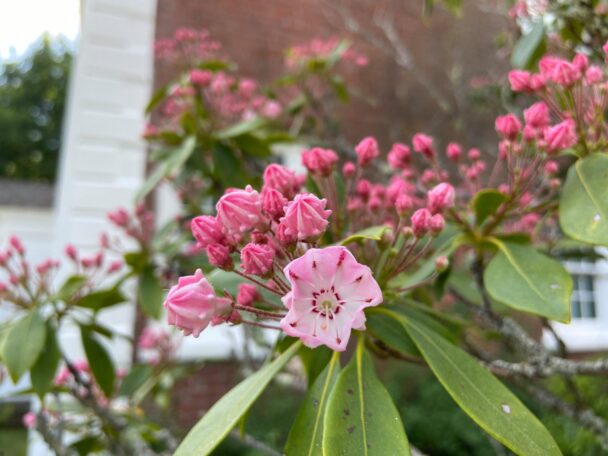
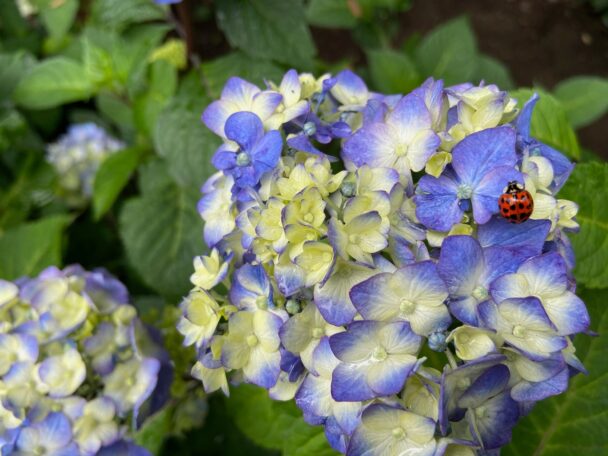

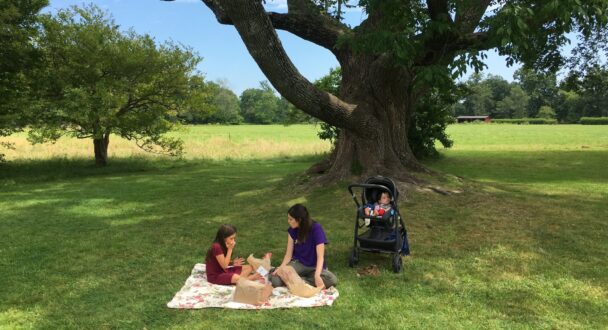

What a beautiful take in. A lovely walk on the grounds is perfect spring summer and fall. Many family pictures over the years. There are open houses during the season and one needs to take advantage. You won't want to miss this opportunity - a true hidden treasure in North Andover.
– Trip Advisor Reviewer, North Andover Resident, North Andover resident