Wayne Wilkins
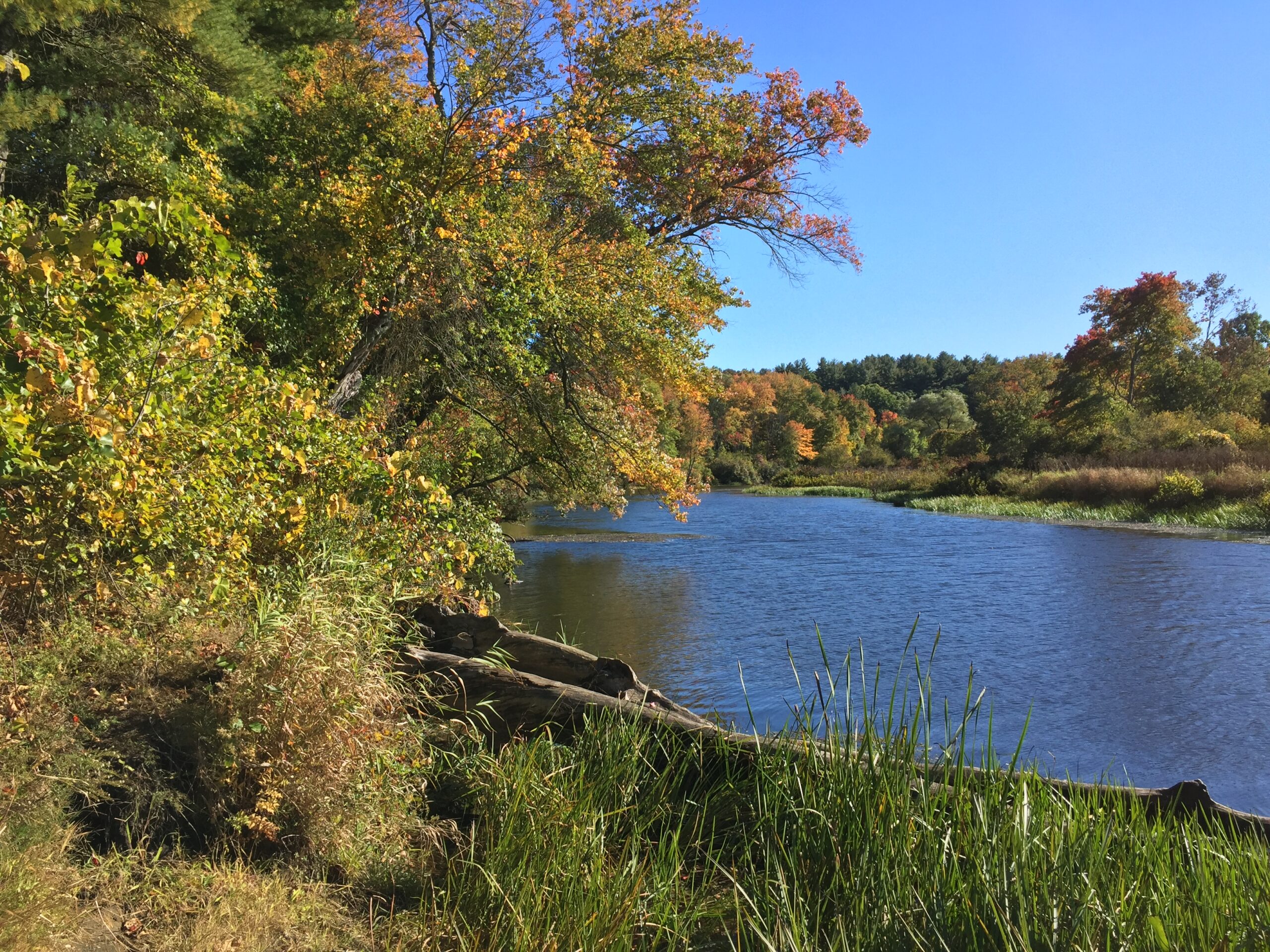
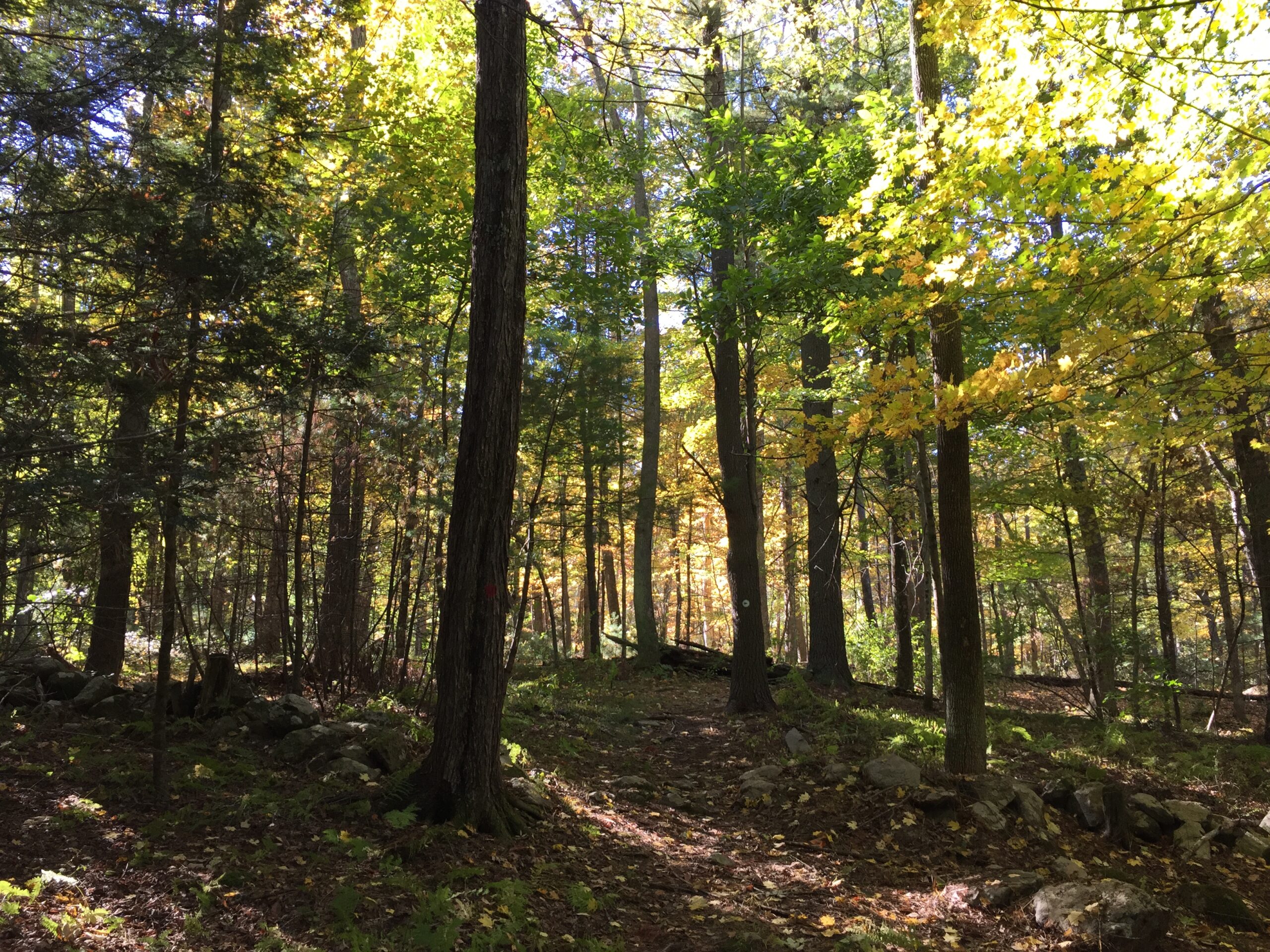
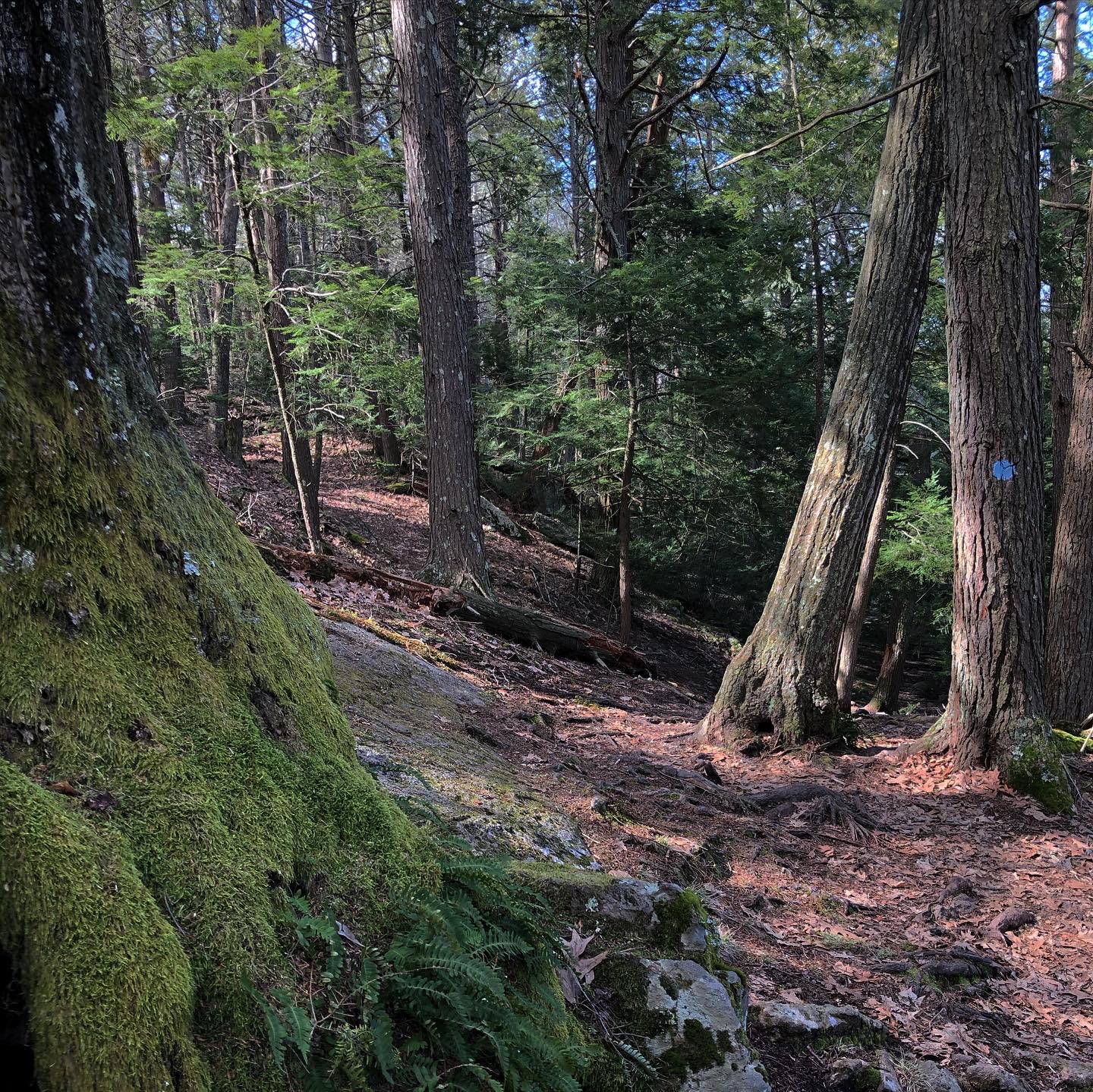
The ancestral home of the Massachusett tribe, and later a Colonial-era farmscape, this ridge line is thickly wooded habitat laced by remnant stone walls.
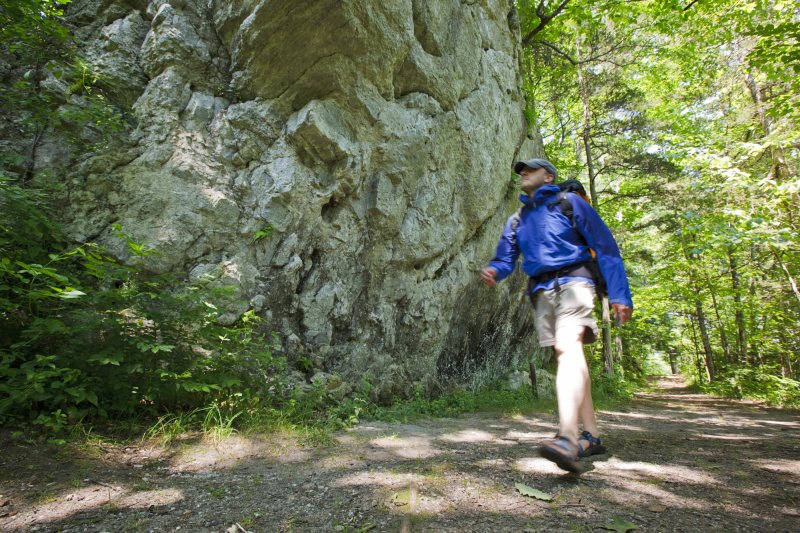
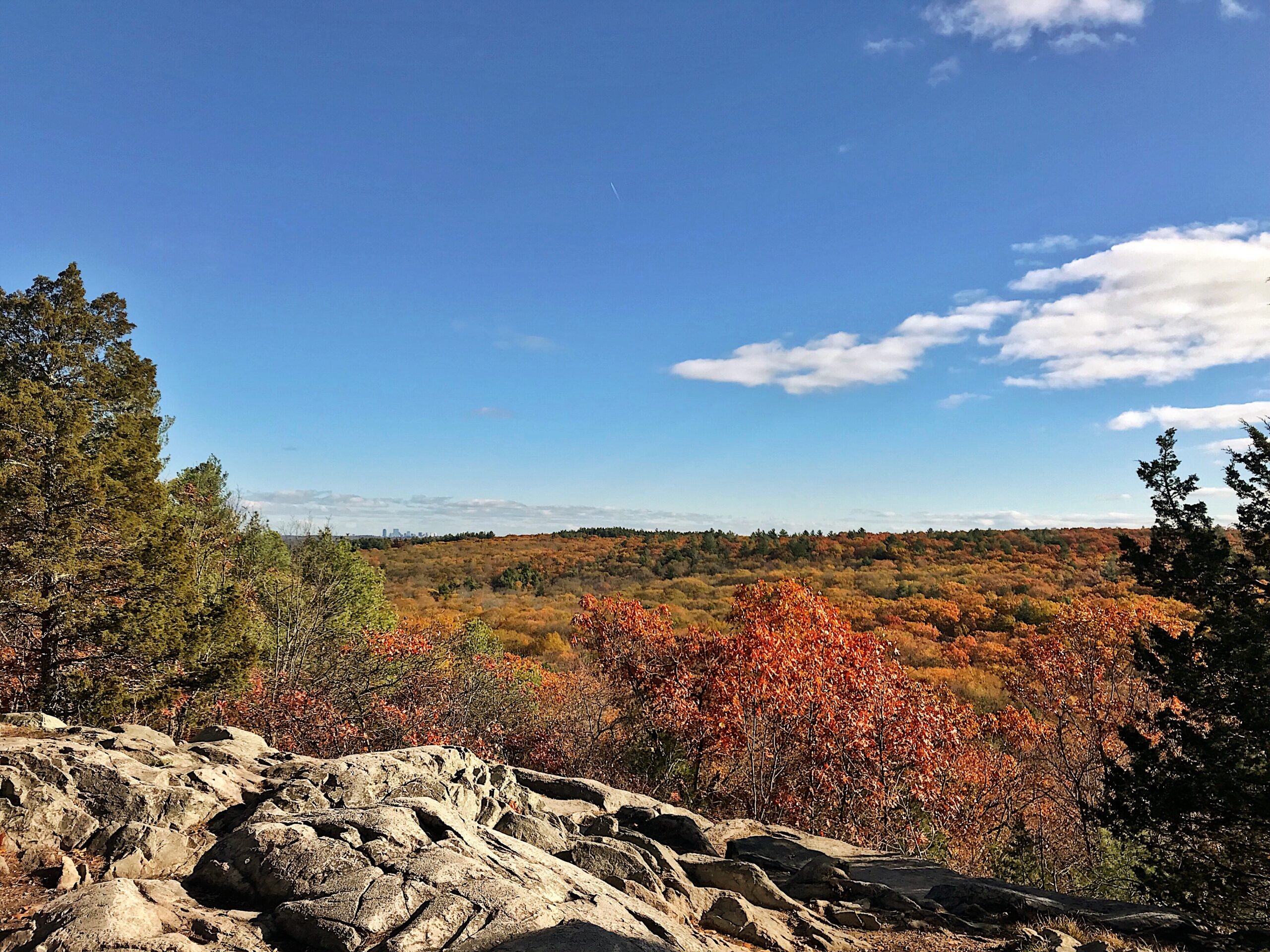
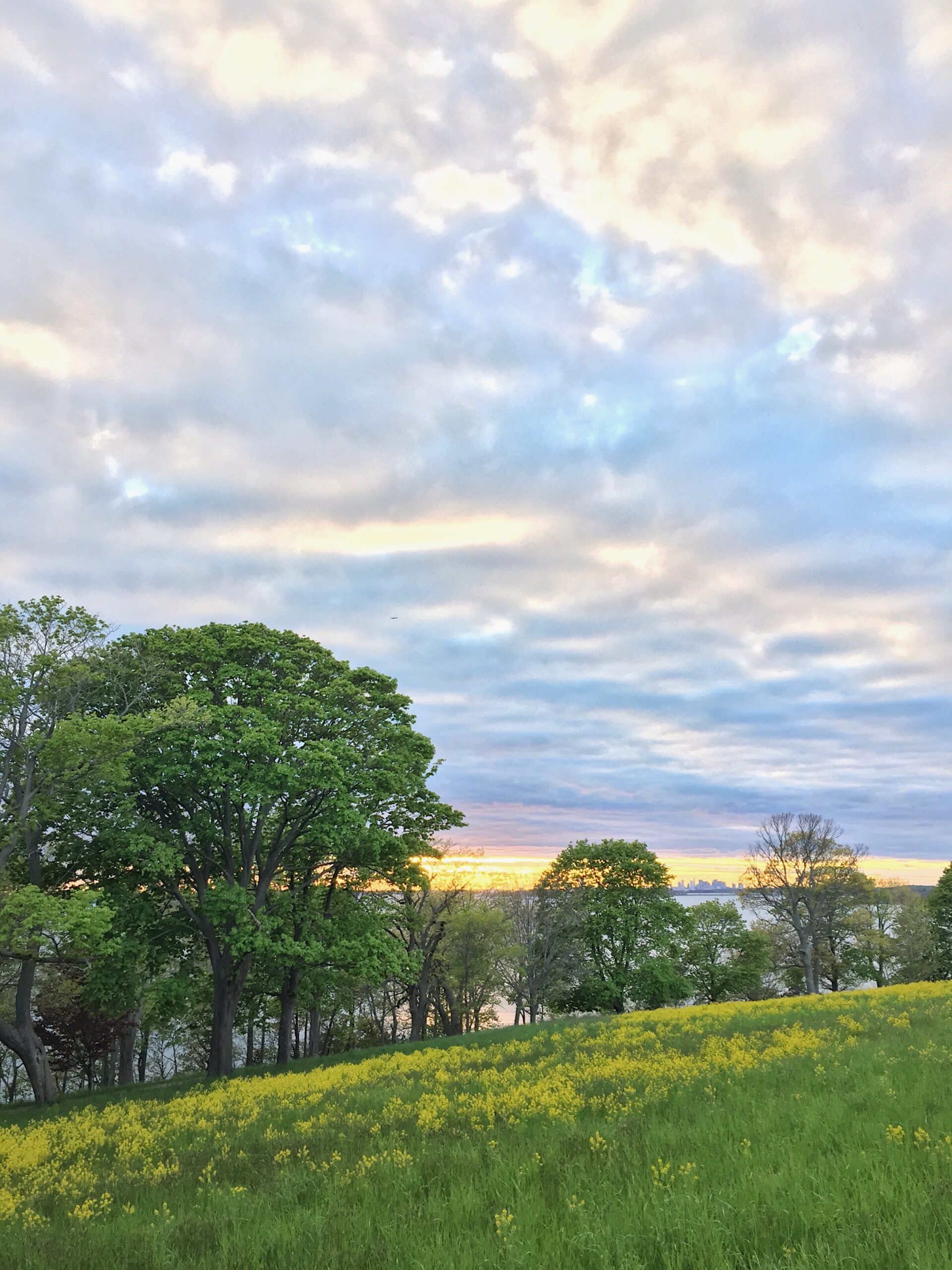
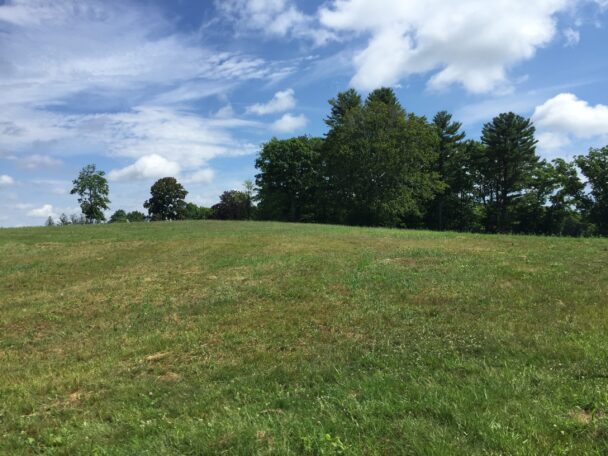
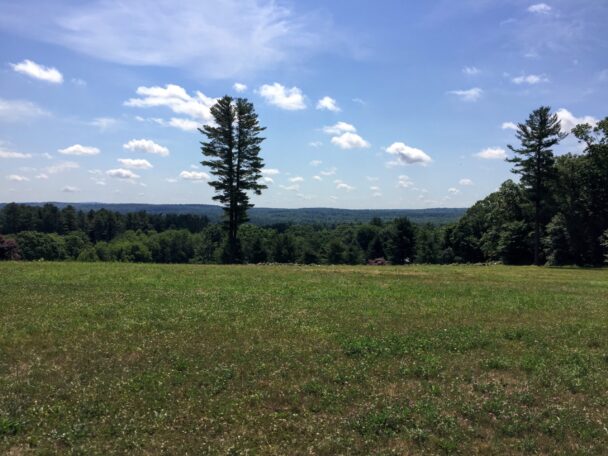
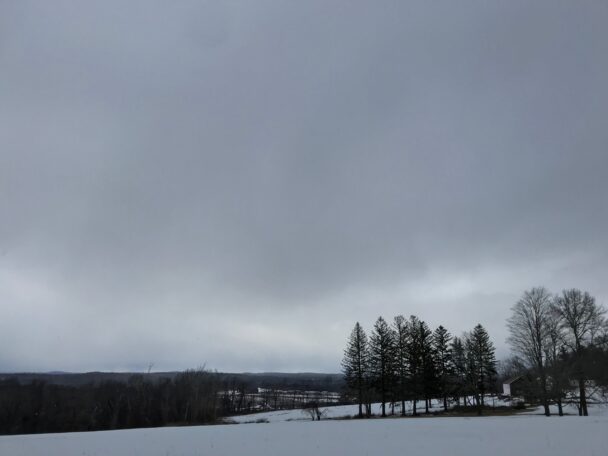
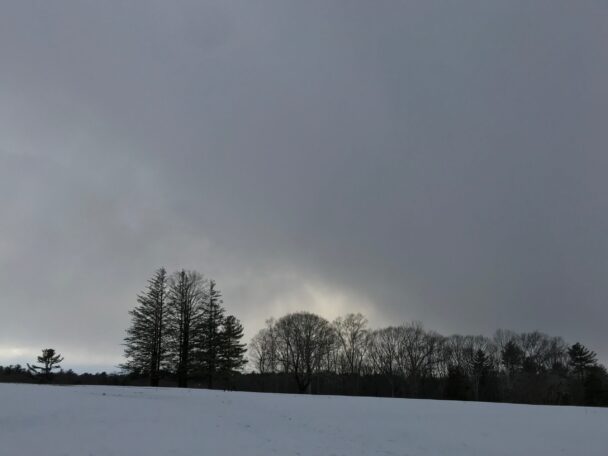
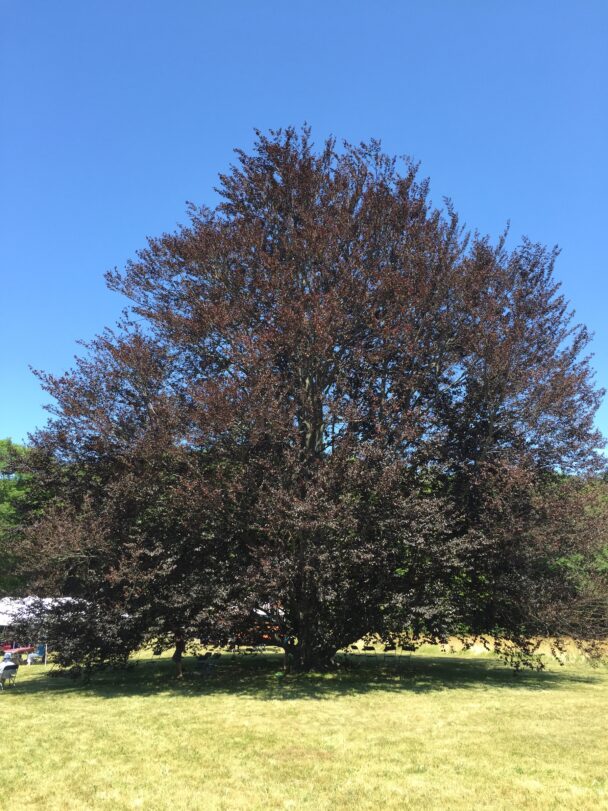
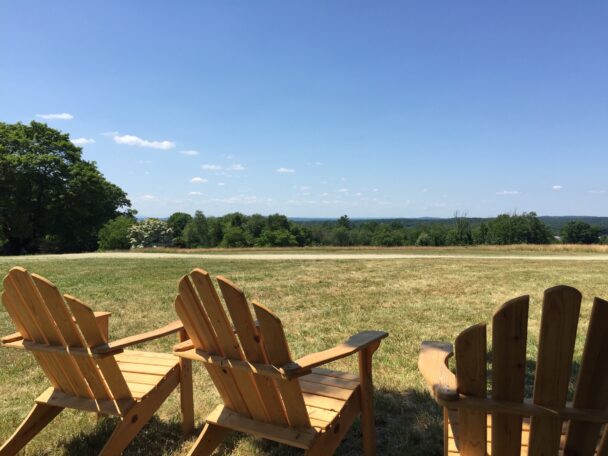
At 410 feet, Pegan Hill is the highest point in Natick, and a classic glacial drumlin is forested with pine, oak, maple, and birch. From the one-mile trail that runs along its north-south axis, you’re greeted by hilltop fields with sweeping views that reach as far as Mount Monadnock—all part of a recent addition of 40 acres of open space at this historic location.
For more than 100 years, Pegan Hill was home to the Pegan Indians, a group led by the famous Reverend John Eliot beginning in 1651. They cleared the hill for cropland and pasture, but by the 1760s, the Pegan Indians had perished, and settlers had taken over farming. Stone walls are the only remaining evidence of these farming days.
.
From the one-mile trail that runs along its north-south axis, you’re greeted by hilltop fields with sweeping views that reach as far as Mt. Monadnock—all part of a recent addition of 40 acres of open space at this historic location.
Open year-round, daily, sunrise to sunset.
FREE to all.
Pegan Lane
Natick and Dover, MA 02030
Telephone 508.785.0339
E-mail: charlesrivervalley@thetrustees.org
Accessible parking is available at the top of Pegan Lane in Dover. No other parking is available adjacent to the accessible parking spots. The Pegan Hill visitor parking lot can only be accessed from the South Natick side of Pegan Lane. Pegan Lane is not a through road and there is no turn around for vehicles other than at the parking lot in South Natick.
Get directions on Google Maps.
From Points North: I-95/Rt. 128 South, take Exit 37A, Rt. 16 West. Follow turns to stay on Rt. 16 West for 5 mi. In South Natick, turn left onto Pleasant St. and follow for 1.1 mi. Turn Right onto Pegan Lane. Entrance and parking (11 cars) are 0.3 mi. on the left.
From Points South: I-95/Rt. 128 North, take Exit 16B onto Rt. 109 West for 1.6 mi. Turn right at Dover Rd. for 1.7 mi. Continue onto Powisset St., then right onto Walpole St. Continue onto Sprindale Ave. then right on Main Street for .8 mi. Stay left onto Pleasant St. then first left onto Pegan Ln. Entrance and parking (11 cars) are 0.3 mi. on the left.
Trail link to Charles River Link Trail
We recommend that you download a trail map before you visit.
Note: There is 1 mile of trail at Pegan Hill on Trustees owned property, but that does not include trails that leave Trustees property and cross adjoining conservation lands. That loop is roughly 1.25 miles.
More than 350 years ago, Pegan Hill marked the southern edge of the 4,000-acre “Praying Indian” town of Natick, established in 1651 at the urging of the Reverend John Eliot (1604–1690). From 1646 until his death forty-four years later, Eliot led a mission whose goal included the creation of “praying towns” for Native Americans who, inspired by the gospel that Eliot had taught, desired to leave their nomadic lives to form villages in which they could learn more about Christianity.


"The air sparkles here and you admire the light above you. One of the most gentle and historic places in the country, but only about 15 miles from Boston. You will not forget this place, or the sky."
– Lisa S., TripAdvisor