About Francis William Bird Park
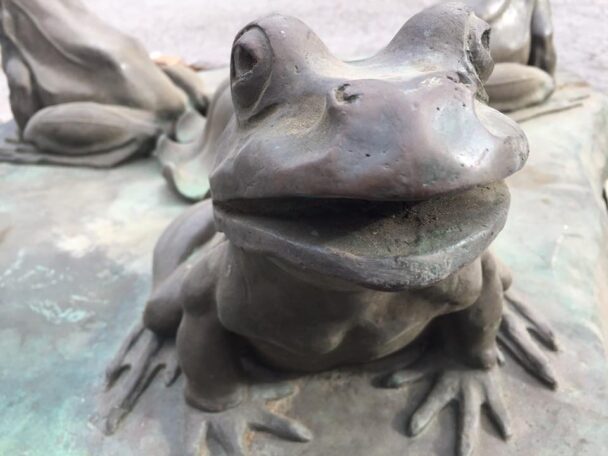
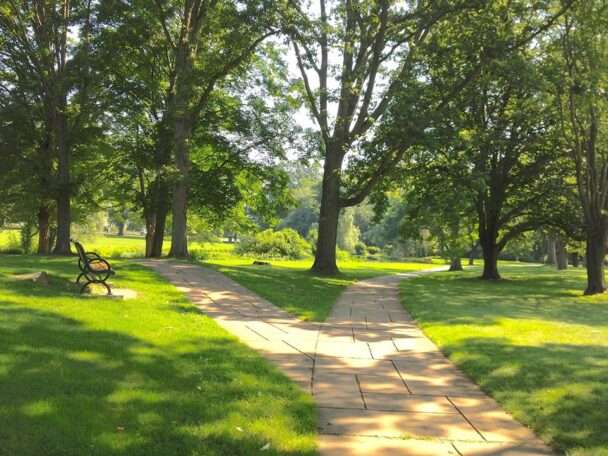
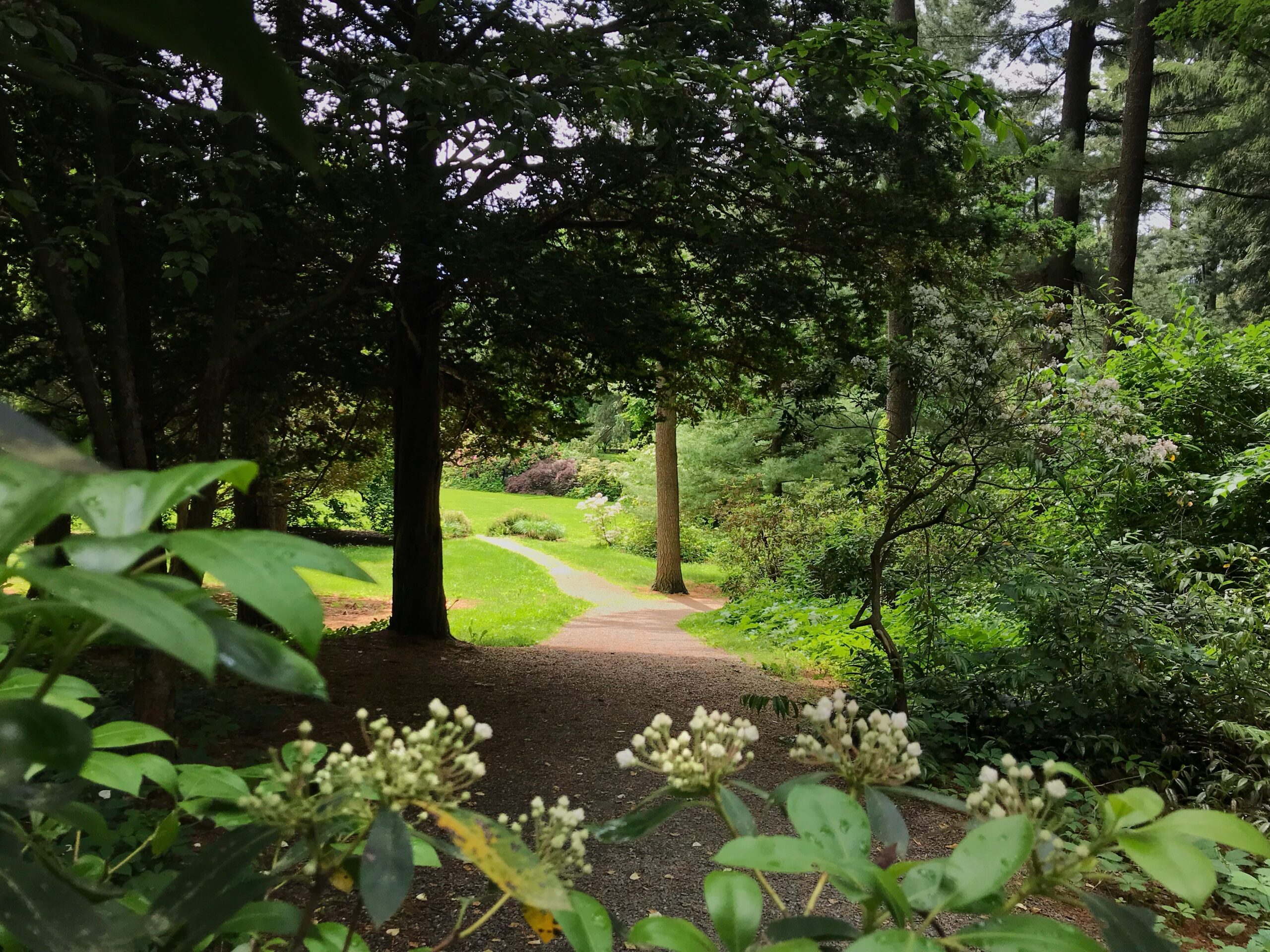
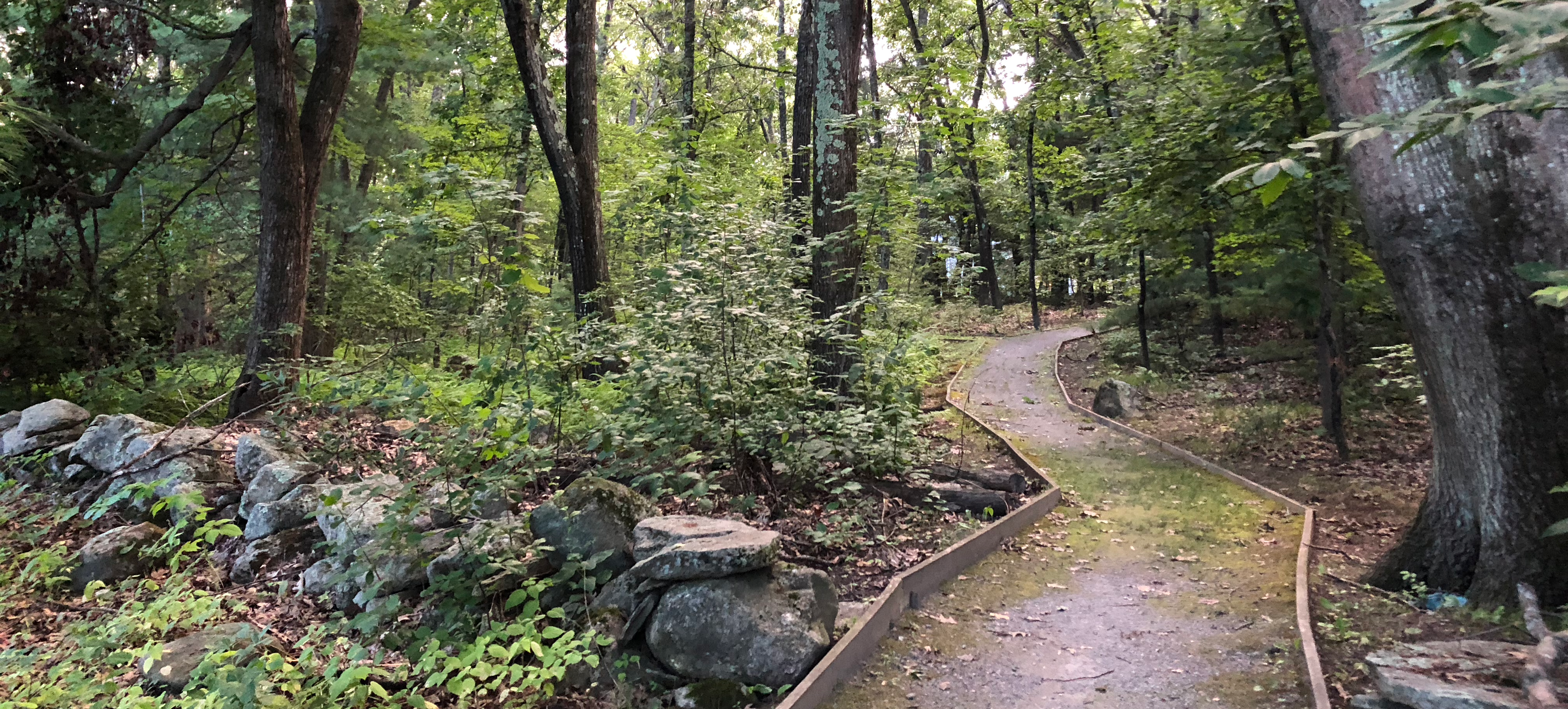
Stroll meandering pathways and cross artisan-built stone bridges at this family-friendly park of open fields, groves of trees, and frog ponds.
What makes Francis William Bird Park a special place?
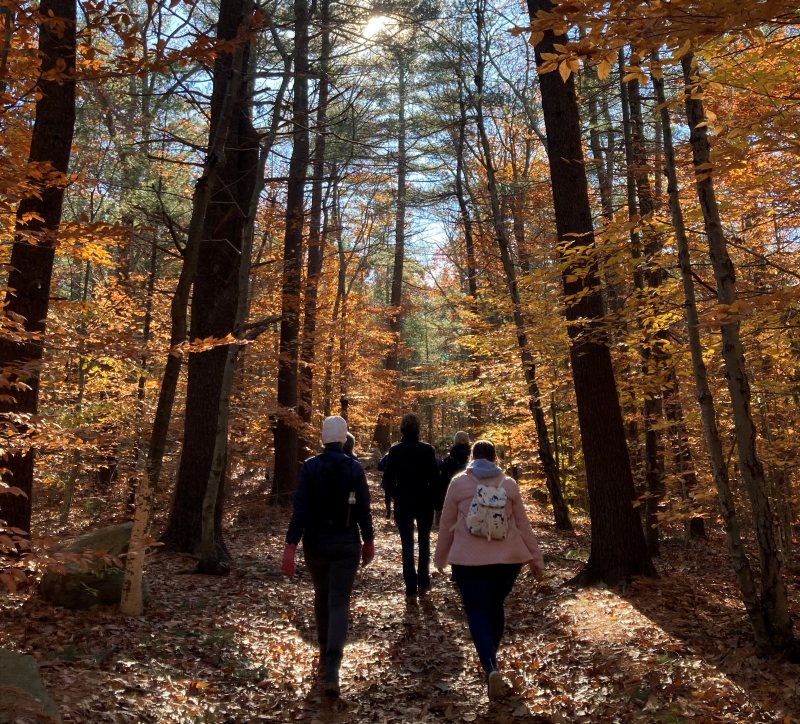
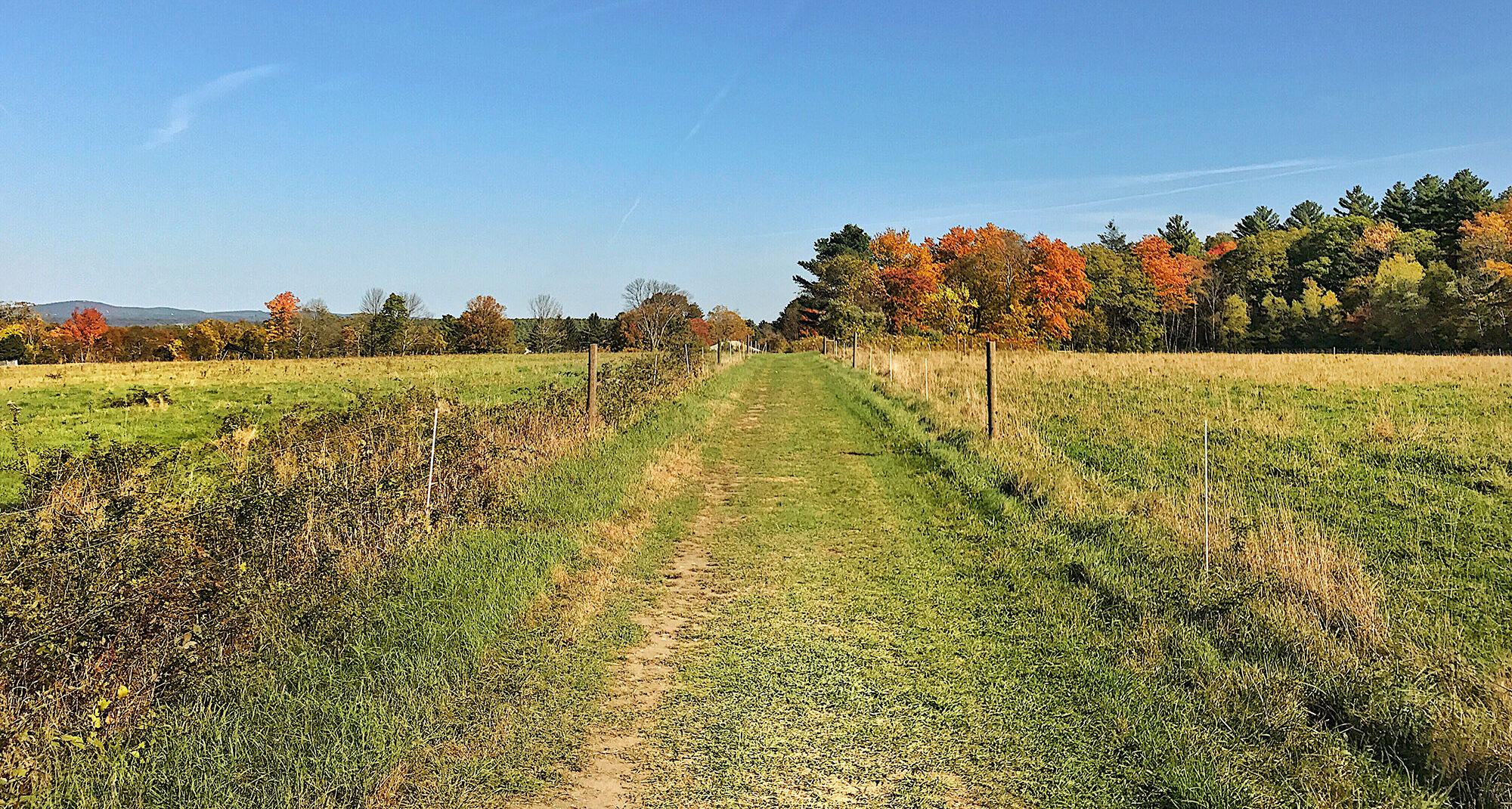
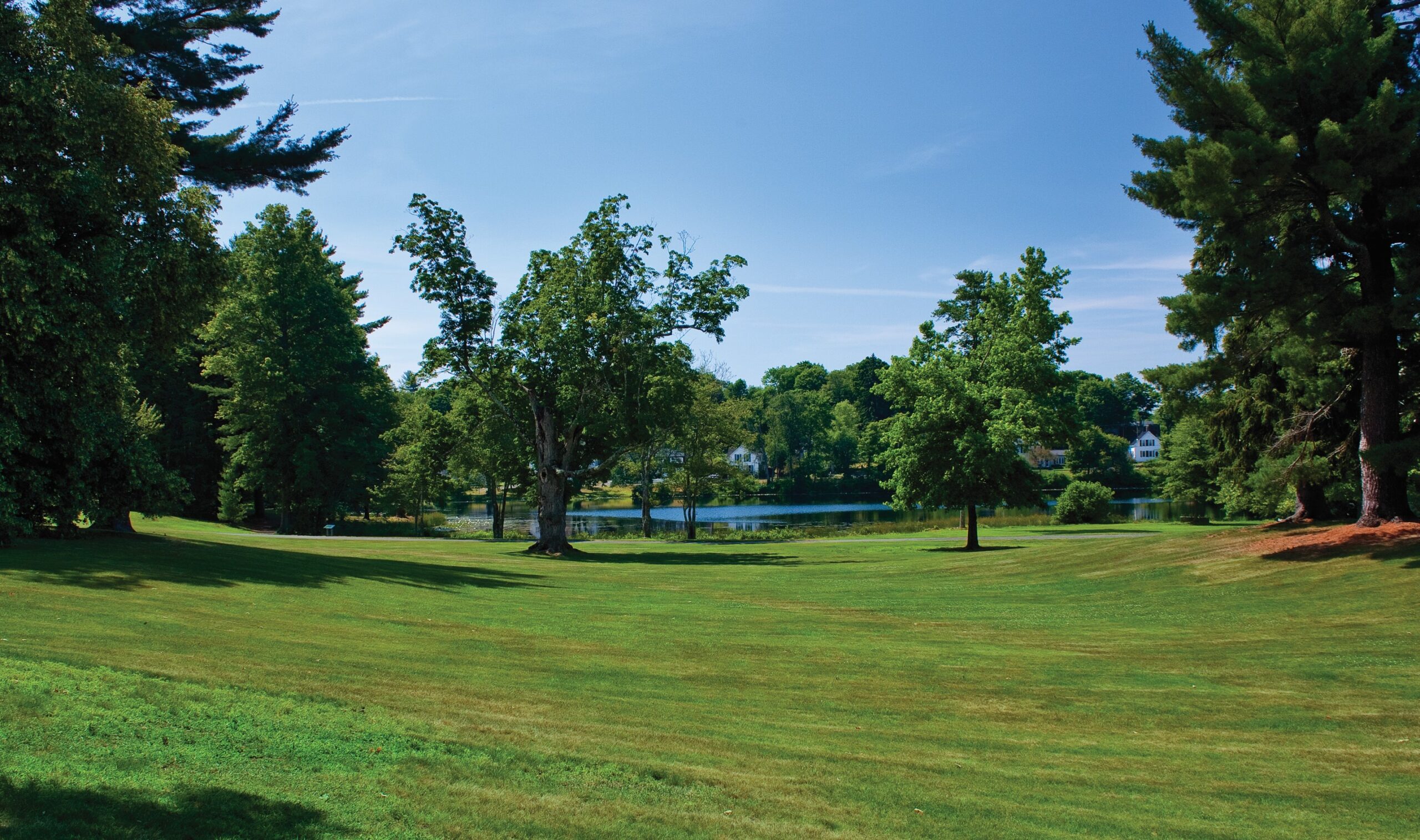
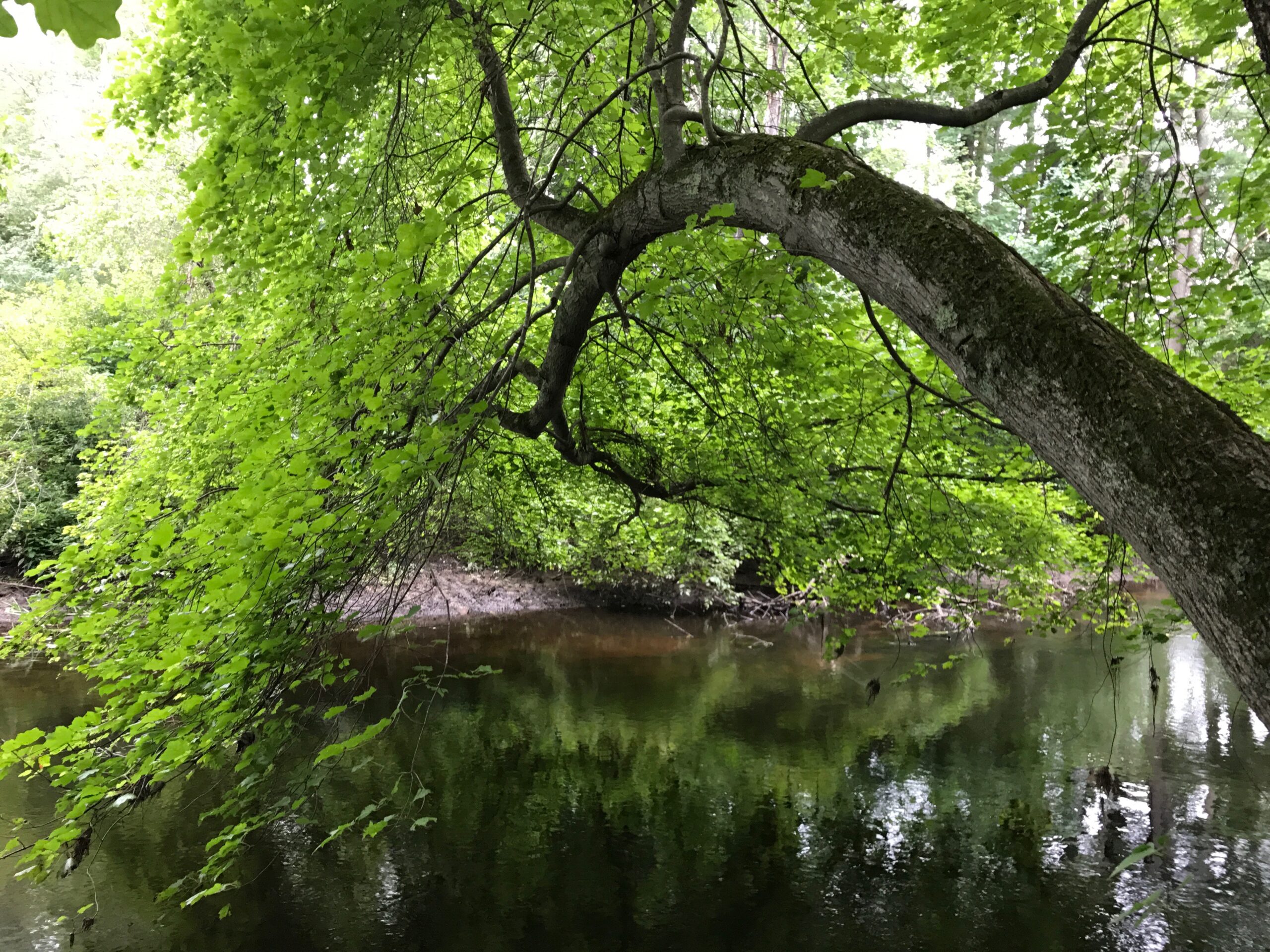
We think it's the way the park continues to fulfill the role it's played since its creation in 1925: to provide an idyllic outdoor amenity for the public that both offers respite from busy daily life and promotes healthy recreational activity. The rolling fields lined by tree groves, a trio of ponds, and gurgling brooks comprise a lovely natural tableau.
The park's carefully maintained lawns and water elements are especially attractive to visitors, but the communities of trees that accent so much of this landscape, are lovely as well – and provide welcome shade and shelter for picnickers or for those who simply desire a little isolation. Red maple dominate, but there are plenty of other familiar species standing proudly here, including white pine, white and northern red oak, yellow birch, and hemlock. These latter continue to suffer from infestations of wooly adelgid, a tiny insect that feeds on hemlocks, but Bird Park still supports some handsome examples, especially those which form the Allée near Polley Lane.
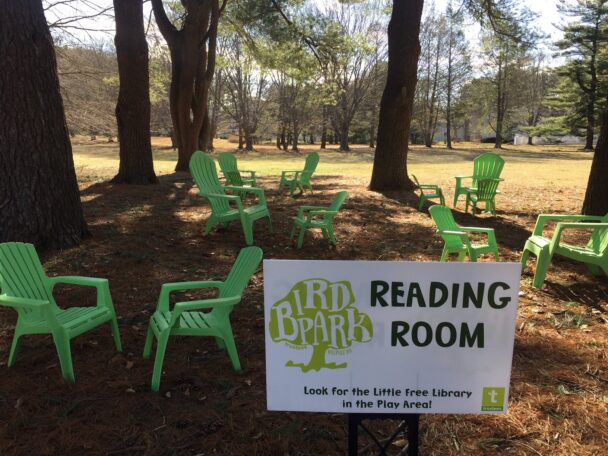
The park was designed for active play – bike racks, a "tot" lot, tennis courts, and basketball net, and a bathing-pool-turned-pond are testaments to park designer John Nolan's belief that play should be an active part of the park experience.
Trails
More than 3 miles of walking paths (easy walking) crisscross the park; a portion of the walkways is surfaced.
When to Visit
Year-round, daily, sunrise to sunset. Allow a minimum of 1 hour.
Facilities
Bike racks, benches, trash receptacles, public restroom (open seasonally). Park includes a "tot lot" with children's play equipment, four tennis courts, a basketball backboard, and outdoor stage.
Regulations & Advisories
We hope you enjoy your visit. For your safety, and to help protect this unique resource, we ask that you please comply with the following regulations:
- Please respect the tranquility of this park and others’ enjoyment of their visit here.
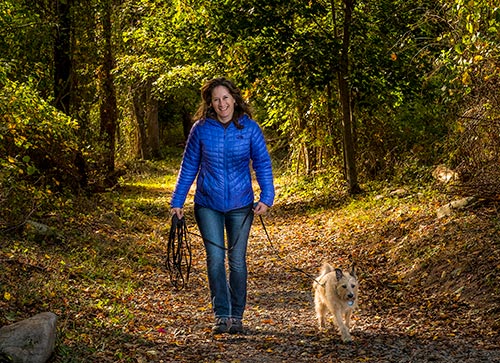
- Dogs are welcome, but on-leash only. Please dispose of dog waste properly in litter barrels.
- Bird Park is open from sunrise to sunset. Entering or remaining on the property after that time is prohibited.
- The following are prohibited at Bird Park:
-Consuming or possessing alcoholic beverages
-Fires, camping, littering, or dumping
-Motorized vehicles (except for wheelchairs and authorized management purposes)
-Golfing, ice skating, swimming, wading, and fishing
-Cutting or removing vegetation
-Disturbing wildlife
-Removing or loosening old stone walls and rail fences
-Disturbing, removing, defacing, cutting, or otherwise causing damage to a natural feature, sign, poster, barrier, building, or other property in the park.
Note: Please check locally at property for posted advisories and regulations.
Bird Park is a property of The Trustees of Reservations.Visitors are welcome, but with the understanding that they use the area at their own risk and that they comply with all the above regulations. Whoever disregards or violates any of these regulations is hereby forbidden to remain upon these premises, and is subject to arrest, fine, and imprisonment as provided by law. The Trustees of Reservations cannot assume responsibility for injuries or for the loss or theft of personal property.
Directions
Polley Lane
Walpole, MA 02032
Telephone: 508.668.6136
E-mail: jhasenfus@ttor.org
Latitude: 42.1597
Longitude: -71.2150
Get directions on Google Maps.
From the I-95/Rt. 128 Split (Canton): From I-95 South, take Exit 10. Turn right onto Coney St. Follow for 0.8 mi. (cross over Rt. 1 at traffic light). Turn left onto Pleasant St. and then right onto Polley Lane in 0.3 mile. Parking area (60 cars) is 0.1 mile on left.
Public Transportation: Take the 34E bus line, accessible from the Forest Hills Orange Line T stop or the Franklin commuter rail line at Norwood Central station. Visit www.mbta.com for more details.
Admission
When to Visit
Year-round, daily, sunrise to sunset. Allow a minimum of 1 hour.
Admission
FREE to all
Property History
The reservation was created and endowed in 1925 as a public park by local industrialist Charles Sumner Bird, Sr. and his wife, Anna, in memory of their oldest son, Francis William Bird (1888-1918), who succumbed at age 37 to the influenza epidemic of 1918.
The Bird Family hired John Nolen to design the park. Nolen was a contemporary of The Trustees founder Charles Eliot and a disciple of Frederick Law Olmsted, landscape visionaries who were pioneers in creating parklands accessible to all.
This was a philosophy shared by Nolen, who also believed landscape design could be a tool for societal improvement; Bird Park's network of pathways and attractive water courses were designed to offer the public an easy introduction to their natural surroundings.
In his original proposal for this property, Nolen envisioned "a sequestered breathing place–a combination of broad, sun-swept meadow lands, speckled with shadowed glades, higher tree-screened knolls for the lover of shade, the whole set to the music of a babbling stream."
Property Acquisition History
Gift, with endowment, of the Francis William Park Trust in 2003.
Programs
Over the Bridge and Through the Years Quest
Use rhyming clues and a map to find a hidden treasure and story at Bird Park. Along the way, you'll have fun and learn to see (and read) clues about how this place has been used over time. At the end of the Quest, you'll find a hidden treasure box where you can sign your name and collect a copy of our Quest's stamp before leaving the box for the next visit. Download the Quest.
Memorial and Honorary Gift Program at Bird Park
You can honor a loved one and supporting this beautiful park through our memorial bench program. Learn More (pdf).
Conservation and Stewardship
Management Planning for Our Properties
Since 1891, The Trustees of Reservations have worked to protect special places in Massachusetts and maintain them to the highest standards. To ensure these standards are met, a program of careful planning and sound management is essential. Comprehensive property management plans are created for each reservation and are completely updated approximately every ten years. We often work with volunteers, property users, and members of the community to carry out this planning, which typically involves several steps:
- Describing in detail the site’s natural, scenic, and historical resources; identifying management issues related to the protection of those resources.
- Describing how visitors use the property; outlining the opportunities that the property provides for people to become involved in the work of conservation and caring for their community.
- Developing a detailed list of management recommendations, a work plan, and a description of financial needs for implementing the actions.
- Developing a prescribed routine management program for the reservation that will guide staff work plans, volunteer involvement, and the allocation of human and financial resources.
View Bird Park management plan (part 1).
View Bird Park management plan (part 2).
| Mow? No! Meadow? Yes! Bird Park Goes Even Greener As an organization, The Trustees is surely "green." But we're always looking for ways to go greener, and a new practice of mowing less at Walpole's Bird Park is helping us do just that. Learn More>> |
Maps and Resources
Trail maps are available from the bulletin board near the park entrance. Occasionally, we do run out of maps, so we recommend that you download a trail map before you visit.
Download the Bird Park Tree ID and find out what types of trees fill Bird Park.
Planning Your Visit
Before You Go
We encourage you to visit as many Trustees properties as you can.
Wherever your travels take you, please observe all posted regulations, follow special instructions from property staff, and keep in mind the Stewardship Code:
- Protect wildlife and plants.
- Guard against all risk of fire.
- Help keep air and water clean.
- Carry out what you carry in.
- Use marked footpaths and bridle paths.
- Leave livestock, crops, and machinery alone.
- Respect the privacy of neighboring land.
- Enjoy and share the landscape with others.
Click on links below for further visitor information:
Before Setting Out
Tell Us What You Think
We’d love to hear about your visit! Here are three easy ways to let us know what you think:
-
Take our visitor survey. If you have a question for us, you can ask us in the survey and we’ll get back to you.
- Post a comment about your visit on our Facebook page.
- Share your experiences with other visitors on our website. Simply fill out the form below, and we’ll post your comment right here on this page.
Announcements & Alerts
Help us get 500 new members during our Membership Month! Join Today >>
Download the Bird Park Tree ID and find out what types of trees fill Bird Park.
Upcoming Things To Do
Other Trustees Properties You Might Like:
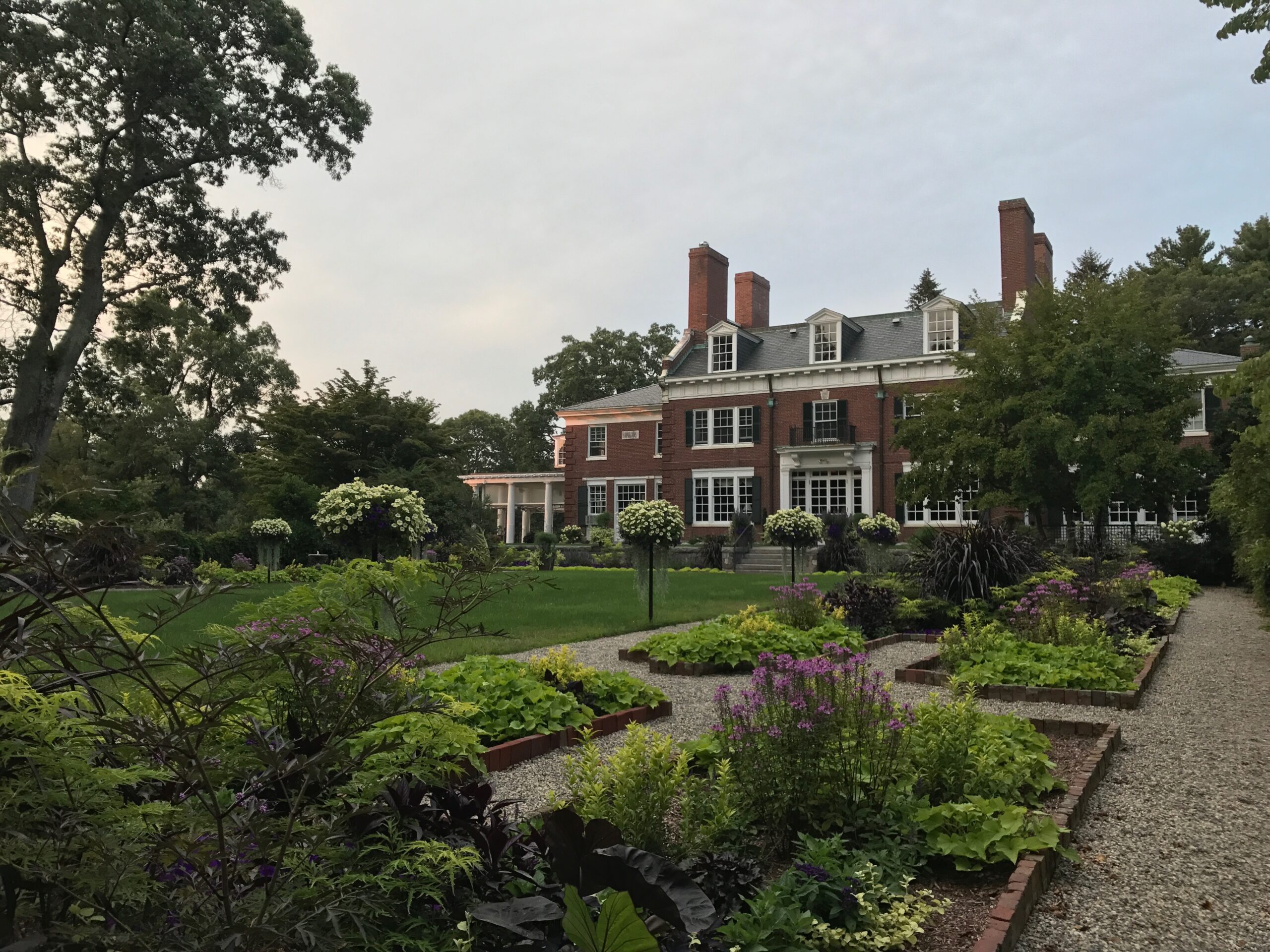
Eleanor Cabot Bradley Estate
Canton, MA
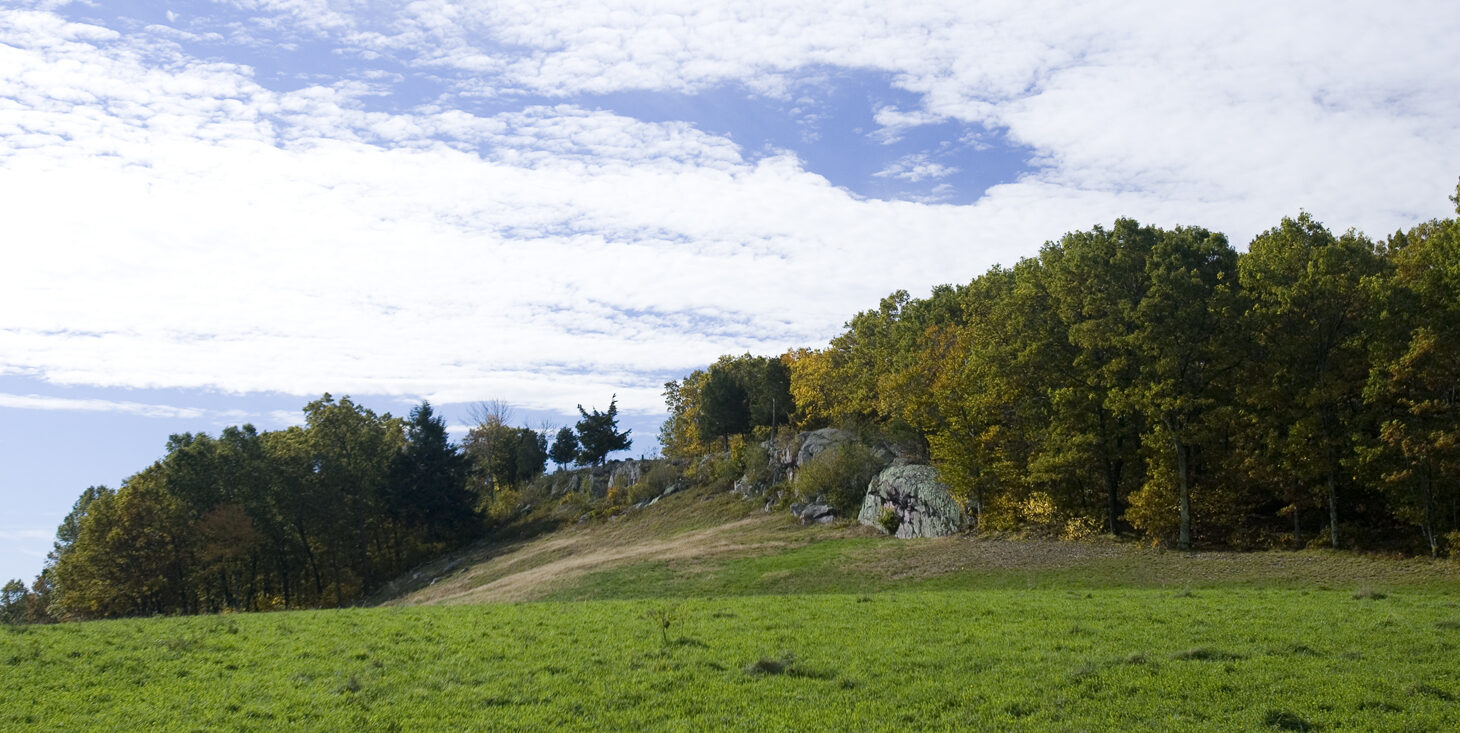
Moose Hill Farm
Sharon, MA
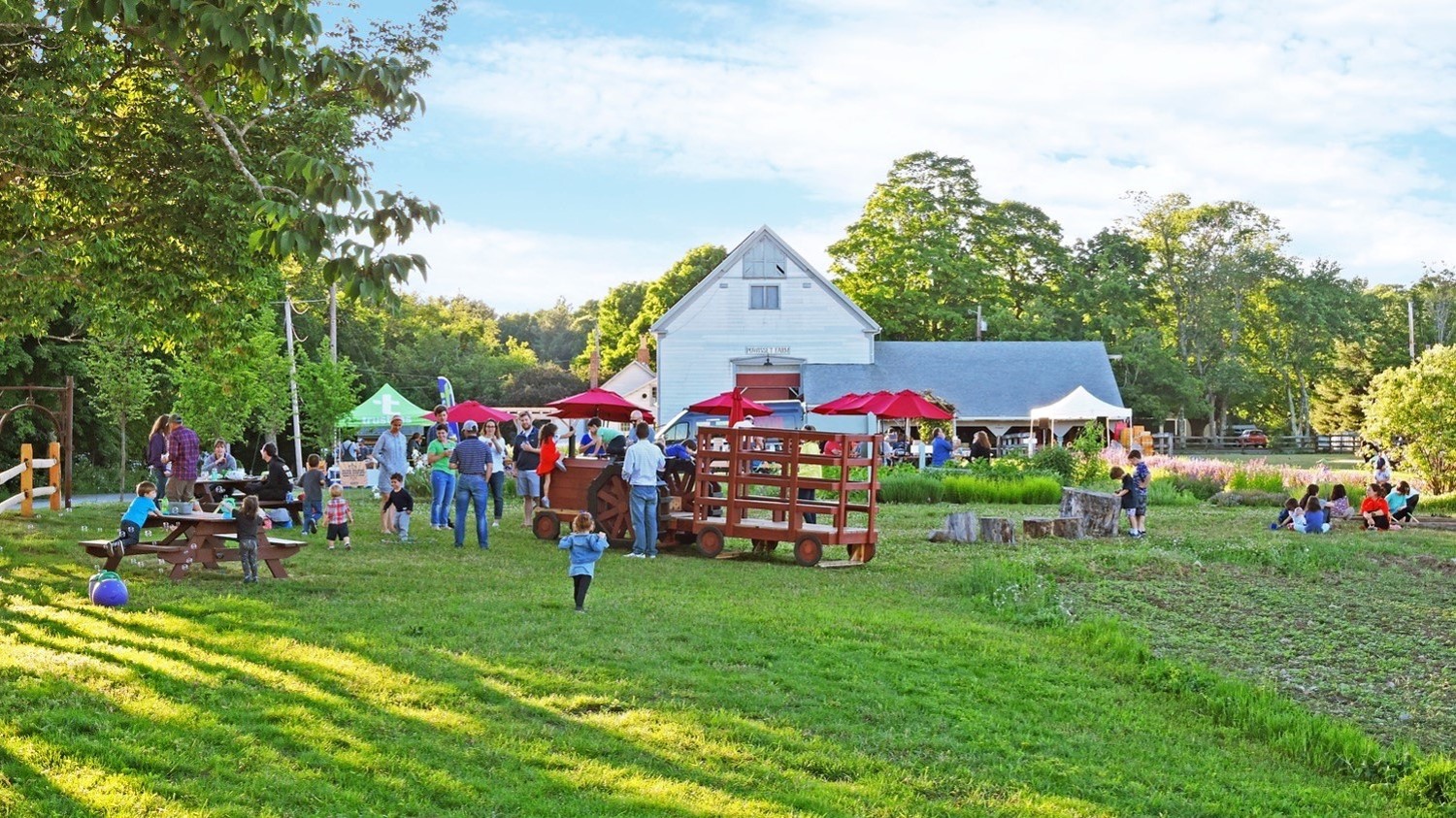
Powisset Farm
Dover, MA


Submitted by Rocky D' on: October 14, 2010
Submitted by Mindy on: September 30, 2010
Submitted by Diane on: September 29, 2010
Submitted by The Baughmans on: September 29, 2010
Submitted by dog lover on: September 28, 2010
Submitted by local resident on: September 28, 2010
Submitted by CJ on: September 27, 2010
Submitted by Mags on: August 11, 2010